
Is Propolis Safe During Pregnancy? New Research Reveals Surprising Insights
If you’re pregnant and considering natural remedies, the safety question probably keeps you awake at night. With conflicting advice everywhere and horror stories about supplements gone wrong, expecting mothers face an impossible choice between potentially helpful natural compounds and the fear of harming their developing baby.
Turkish propolis shows no DNA damage or birth defects in embryo safety study, with low doses demonstrating protective effects against genetic damage.
What the Research Discovered
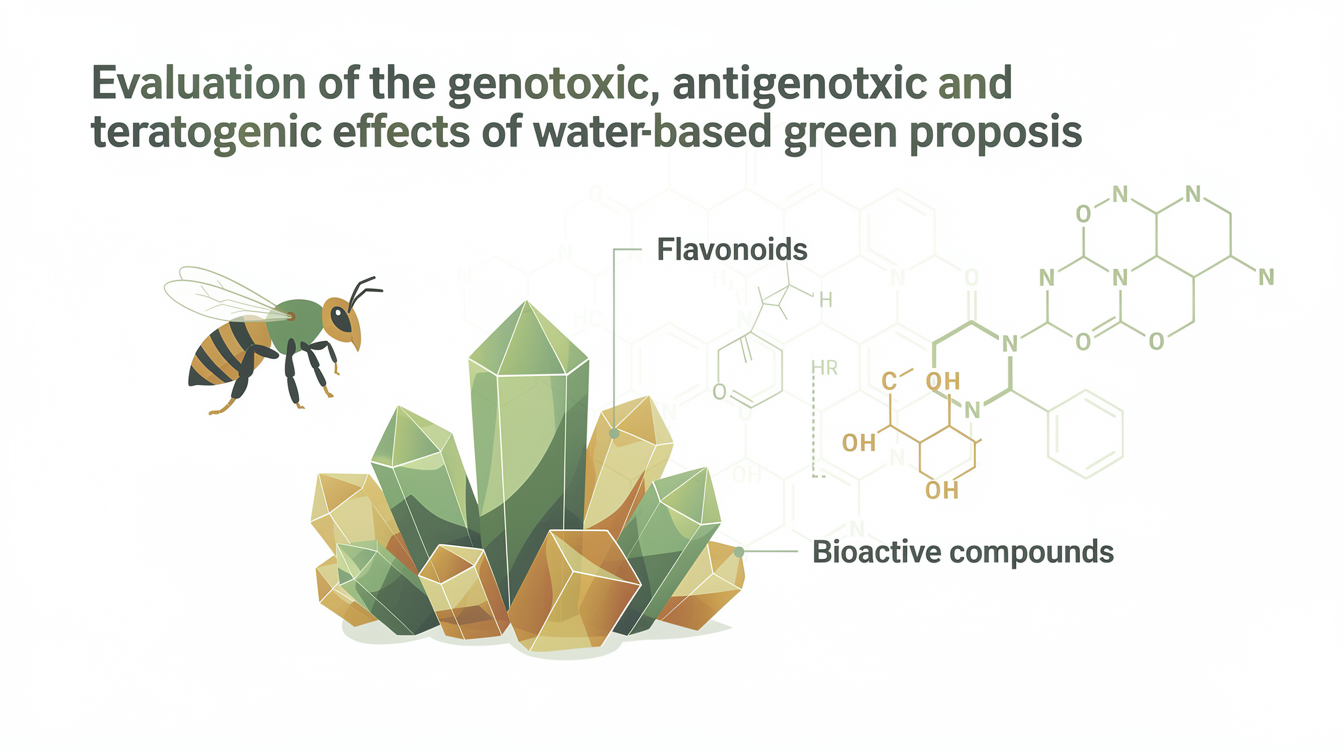
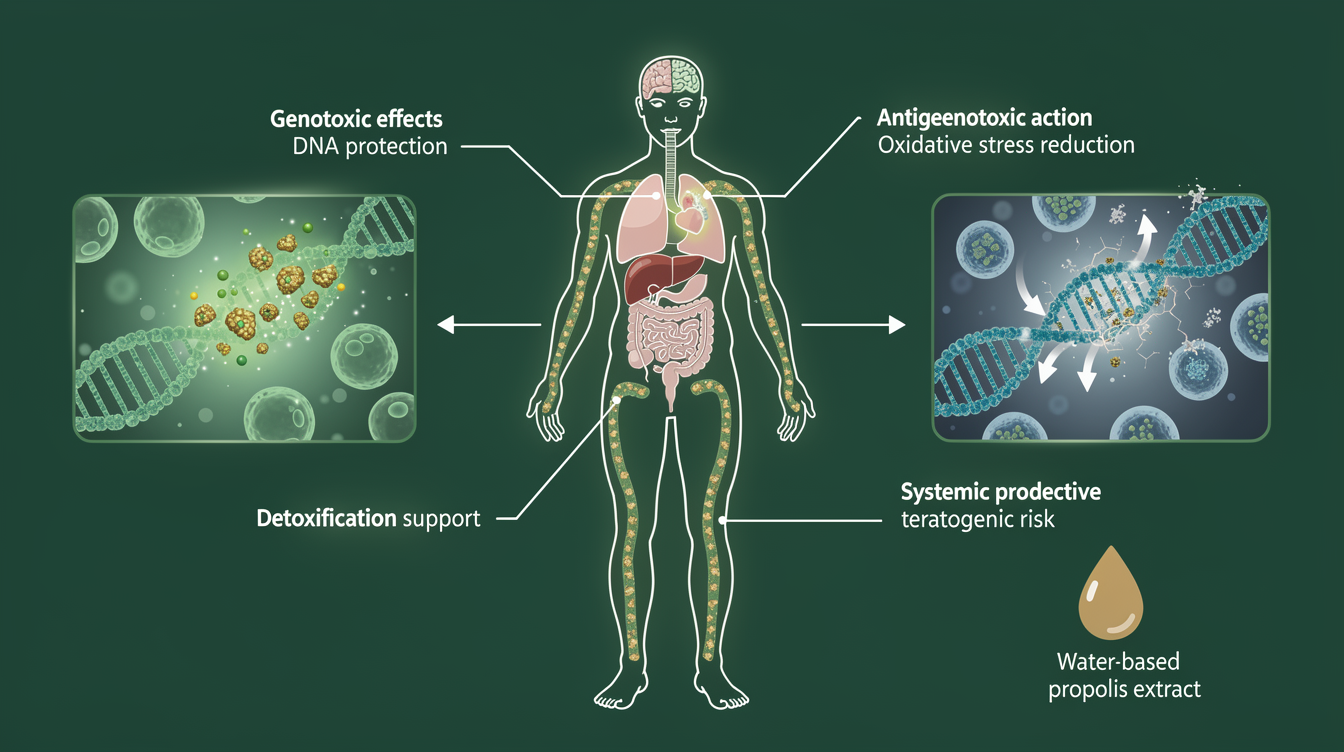
Turkish researchers conducted a comprehensive safety evaluation of water-based propolis using fertilized chicken eggs — a widely accepted model for testing potential harm to developing embryos. The study examined whether propolis could damage DNA (genotoxicity), protect against DNA damage (antigenotoxicity), or cause birth defects (teratogenicity).
The results were reassuring across multiple safety measures. At all tested doses, propolis showed no signs of causing genetic damage or developmental abnormalities. Most surprisingly, the lowest dose (50 micrograms per egg) actually provided protection against DNA damage caused by cyclophosphamide, a known genetic toxin.
Study Details:
| Publication | RSC Advances, 2026 |
|---|---|
| Sample Method | Hen’s Egg Test for Micronucleus Induction (HET-MN) |
| Test Doses | 500, 250, and 50 µg per fertilized egg |
| Duration | 8-11 days of embryonic development |
| Primary Outcome | No genotoxic or teratogenic effects observed |
The chemical analysis revealed propolis contained primarily flavonoids and phenolic compounds — the same antioxidant molecules found in berries, green tea, and dark chocolate. These compounds likely contributed to the protective effects observed at lower concentrations.
Researchers used cyclophosphamide as a positive control (a substance known to cause genetic damage) and ascorbic acid (vitamin C) as a protective agent. The fact that low-dose propolis performed similarly to vitamin C in protecting against genetic damage suggests significant antioxidant potential.
How This Applies to Your Daily Life
1. Lower doses may be more beneficial than higher ones. Unlike many supplements where “more is better,” this research suggests propolis follows a hormetic pattern — where small amounts provide benefits while larger amounts lose effectiveness. If you’re considering propolis, starting with minimal doses aligns with the protective effects observed in this study.
2. The water-based extraction method matters for safety. This study specifically used water-extracted propolis rather than alcohol-based preparations. Water extraction typically produces gentler compounds with fewer potential irritants, which may explain the excellent safety profile observed. When shopping for propolis products, look for water-based or aqueous extracts.
3. Pregnancy safety remains a personal medical decision. While these results are encouraging, this study used chicken embryos, not human pregnancies. The absence of harmful effects in this model suggests propolis may be safer than previously thought, but pregnant women should still consult healthcare providers before using any supplements.
4. Antioxidant protection may be dose-dependent. The study’s most intriguing finding was that only the lowest dose provided genetic protection. This suggests that if you’re using propolis for antioxidant benefits, moderate amounts might be more effective than mega-doses.
What You Should Know Before Taking Propolis
The study tested doses equivalent to 50-500 micrograms per fertilized chicken egg. Translating animal study doses to human equivalents requires careful calculation, but these amounts suggest that typical commercial propolis doses (often 100-500mg for adults) may be significantly higher than the protective dose identified in this research.
Safety considerations include:
- Allergic reactions: People allergic to bees, bee products, or tree resins should avoid propolis entirely
- Pregnancy and breastfeeding: While this study suggests safety in embryonic development, human data remains limited
- Blood clotting: Propolis may affect platelet function; those on blood thinners should exercise caution
- Autoimmune conditions: The immune-modulating effects might interfere with autoimmune treatments
The researchers found no evidence of developmental delays or physical abnormalities in treated embryos. Bone development, examined using specialized staining techniques, appeared normal across all dose groups.
Water-based propolis preparations may be gentler than alcohol extracts, potentially reducing the risk of irritation or adverse reactions while maintaining beneficial compounds.
Frequently Asked Questions
Q: Does this study prove propolis is safe during pregnancy?
A: Research suggests propolis shows no harmful effects on embryonic development in this chicken egg model, but human pregnancy involves complex factors not fully captured in animal studies. The absence of genotoxic and teratogenic effects is encouraging, but pregnant women should discuss propolis use with their healthcare providers before making decisions.
Q: Why did only the lowest dose show protective effects against DNA damage?
A: This phenomenon, called hormesis, occurs when small amounts of a substance provide benefits while larger amounts become neutral or potentially harmful. Studies indicate that many antioxidants follow this pattern — excessive amounts can actually become pro-oxidant. The research suggests propolis may work best at moderate doses rather than maximum concentrations.
Q: How does water-based propolis compare to alcohol-extracted versions?
A: Some evidence shows water extraction produces different chemical profiles than alcohol extraction. Water-based preparations typically contain more water-soluble phenolic compounds while alcohol extracts capture more resinous materials. This study’s safety findings apply specifically to water-extracted propolis, though alcohol extracts haven’t been proven more dangerous.
Q: What makes this chicken egg test relevant to human safety?
A: The HET-MN (Hen’s Egg Test for Micronucleus Induction) is internationally recognized for evaluating potential birth defects and genetic damage. Studies indicate strong correlation between results in this model and mammalian outcomes. While not identical to human development, it provides valuable preliminary safety data before human trials.
Q: Could propolis interact with cancer treatments or medications?
A: Research suggests propolis contains bioactive compounds that could potentially interact with various medications. The antigenotoxic effects observed might interfere with certain cancer treatments that work by damaging DNA in cancer cells. Anyone undergoing medical treatment should consult healthcare providers before adding propolis to their routine.
The Bottom Line
Research suggests that water-based Turkish propolis demonstrates an excellent safety profile during embryonic development, showing no signs of genetic damage or birth defects at multiple dose levels. Some evidence shows the lowest tested dose actually provided protection against DNA damage, indicating potential antioxidant benefits. While these findings are encouraging for propolis safety, the study used chicken embryos rather than human subjects. Studies indicate that pregnant women and those with health conditions should consult healthcare providers before using propolis supplements. The research supports the idea that lower doses may be more beneficial than higher ones, and water-based extracts appear to maintain therapeutic potential while minimizing safety concerns.
Authors: Araba S, Özparlak H, Zengin G