
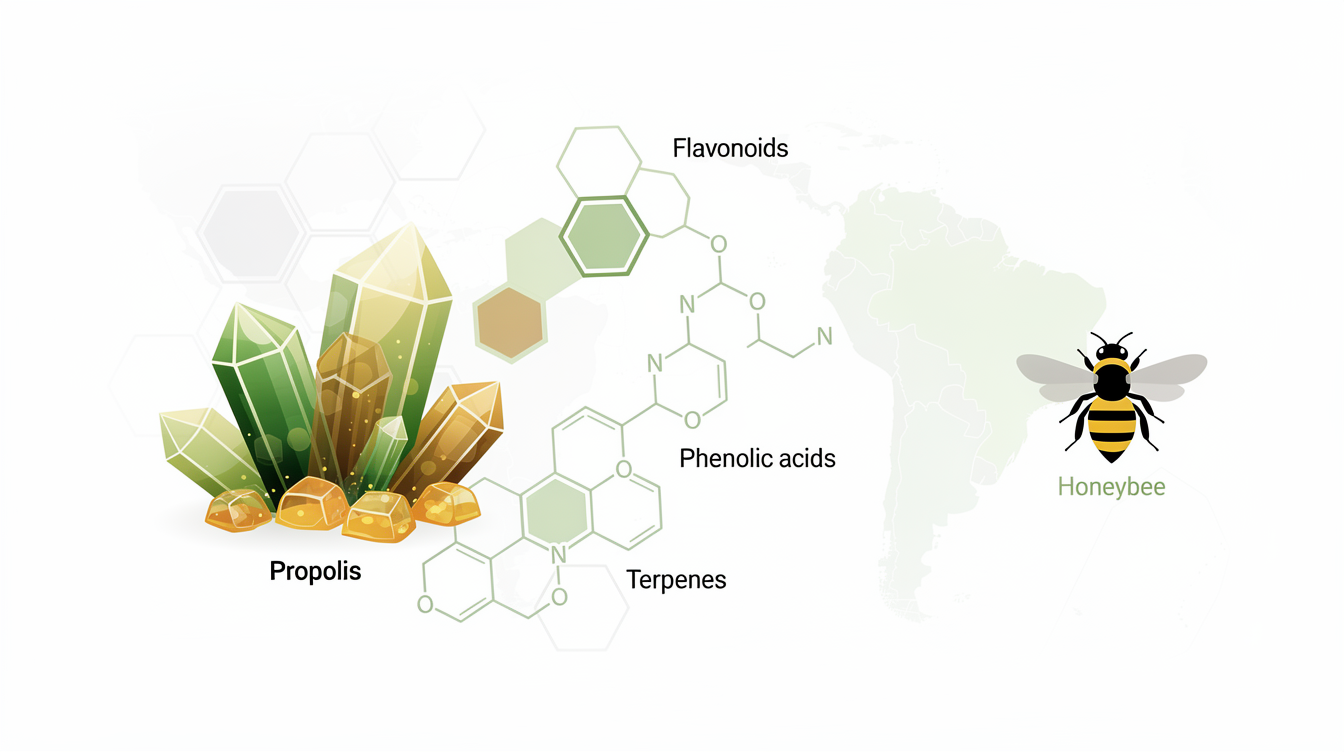
Brazilian Propolis: Chemical Composition, Regional Variability, and Bioactive Potential
If you’ve been searching for a natural way to support your immune system, especially during cold and flu season, you might have heard whispers about propolis. This sticky, resinous substance that bees create to protect their hives has been quietly gaining attention in health circles — but not all propolis is created equal.
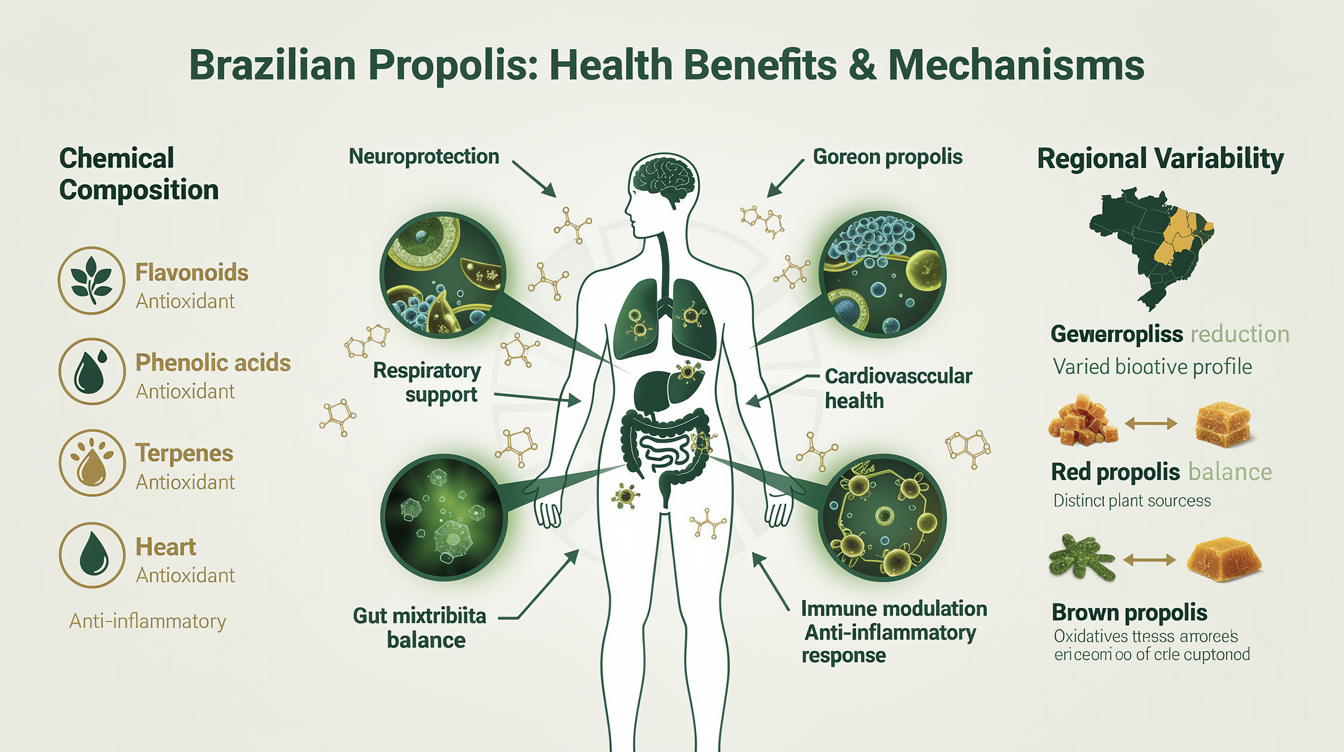
Research suggests Brazilian propolis may offer unique bioactive compounds with antimicrobial and anti-inflammatory properties, with chemical composition varying significantly by region due to diverse plant sources across Brazil’s ecosystems.
What the Research Discovered
This comprehensive review analyzed the chemical diversity and bioactive potential of Brazilian propolis, revealing fascinating insights about how geography shapes this natural compound’s therapeutic properties.
The research team from multiple international institutions examined propolis samples from various Brazilian regions, uncovering significant variations in chemical composition based on local plant sources. Brazilian propolis showed particularly rich concentrations of flavonoids, phenolic acids, and other bioactive compounds that contribute to its traditional medicinal uses.
Key findings include:
- Regional diversity matters: Different Brazilian regions produce propolis with distinct chemical profiles
- Plant source influence: Local vegetation directly impacts propolis composition and bioactivity
- Antimicrobial activity: Studies indicate potential against various pathogens
- Anti-inflammatory properties: Research suggests compounds may help modulate inflammatory responses
| Study Details | Information |
|---|---|
| Publication | Fitoterapia, 2025 |
| Study Type | Comprehensive review and analysis |
| Focus | Brazilian propolis chemical composition and bioactivity |
| Geographic Scope | Multiple Brazilian regions |
| Primary Outcome | Chemical variability and bioactive potential assessment |
The researchers identified that Brazilian propolis contains over 300 different compounds, with the exact composition varying dramatically based on the local flora that bees visit. This chemical diversity translates into different therapeutic potentials, making some Brazilian propolis varieties particularly noteworthy for specific health applications.
How This Applies to Your Daily Life
Understanding Brazilian propolis research can help you make more informed decisions about natural health support:
1. Geographic sourcing matters for quality
When shopping for propolis supplements, the source region significantly impacts what you’re actually getting. Brazilian propolis from different states — like Minas Gerais versus São Paulo — may contain entirely different active compounds. Look for products that specify their Brazilian regional source and provide chemical composition details.
2. Seasonal immune support strategy
Research suggests Brazilian propolis may offer antimicrobial properties that could complement your seasonal wellness routine. Some people incorporate propolis tinctures or supplements during times when they want extra immune system support, particularly during travel or seasonal transitions when exposure to pathogens increases.
3. Quality indicators to watch for
The study’s findings about chemical variability mean you should seek propolis products that provide certificates of analysis showing their specific compound profiles. Brazilian propolis high in flavonoids and phenolic acids may offer different benefits than varieties rich in other bioactive compounds.
4. Integration with existing wellness practices
Brazilian propolis research suggests it may work synergistically with other natural approaches to health. Some people add propolis tinctures to their morning routine alongside other antioxidant-rich foods, or use propolis-containing products as part of their oral health regimen, given the traditional use for antimicrobial properties.
What You Should Know Before Taking Propolis
Based on traditional use patterns and research findings, propolis dosages vary widely depending on the form and concentration. Many studies reference ranges from 200-1000mg daily for extracts, though individual products vary significantly in potency.
Safety considerations include:
- Start with smaller amounts to assess tolerance
- Brazilian propolis may interact with certain medications
- Quality varies dramatically between products and sources
Who should exercise caution:
- Individuals with bee product allergies should avoid propolis entirely
- People taking blood-thinning medications should consult healthcare providers
- Pregnant or nursing women should seek medical guidance before use
- Those with autoimmune conditions should discuss propolis with their healthcare team
The research emphasizes that propolis quality depends heavily on sourcing and processing methods. Brazilian propolis from reputable suppliers with third-party testing may offer more consistent results than products without quality verification.
Frequently Asked Questions
Q: How does Brazilian propolis differ from propolis from other countries?
A: Research suggests Brazilian propolis contains unique chemical compounds due to Brazil’s diverse plant ecosystems. While European propolis tends to be rich in poplar-derived compounds, Brazilian varieties may contain tropical plant derivatives like Baccharis dracunculifolia compounds, creating different bioactive profiles. The geographic and botanical diversity of Brazil means its propolis often shows more chemical variation and potentially different therapeutic properties compared to propolis from more botanically uniform regions.
Q: Can I take Brazilian propolis daily, and what form is most effective?
A: Studies indicate daily propolis use appears safe for most people when sourced from quality suppliers, though optimal dosing remains individual. Alcohol-based tinctures may offer better absorption of fat-soluble compounds, while water-based extracts might be gentler for sensitive individuals. Capsules provide consistent dosing but may have lower bioavailability. The “most effective” form depends on your specific goals and tolerance, with many people rotating between different forms based on their needs.
Q: How long does it take to notice potential benefits from Brazilian propolis?
A: Research suggests some antimicrobial effects may occur relatively quickly, within days to weeks, while anti-inflammatory effects might take longer to become apparent. Individual responses vary significantly based on factors like overall health, dosage, product quality, and specific health goals. Some people report noticing changes in energy or seasonal wellness support within the first few weeks, while others find benefits become more apparent with consistent long-term use over several months.
Q: Should I be concerned about pesticides or contaminants in Brazilian propolis?
A: Quality Brazilian propolis from established suppliers typically undergoes testing for contaminants, but this varies by manufacturer. Bees can concentrate environmental toxins in propolis, making source location and testing important factors. Look for products with certificates of analysis showing testing for heavy metals, pesticides, and microbial contaminants. Organic or wild-harvested Brazilian propolis from remote areas may have lower contamination risk than products from industrialized regions.
Q: Can Brazilian propolis replace my current immune support supplements?
A: While research suggests Brazilian propolis contains compounds that may support immune function, it shouldn’t be viewed as a replacement for a comprehensive wellness approach. Many people use propolis as part of a broader strategy that includes proper nutrition, adequate sleep, regular exercise, and stress management. If you’re currently taking other immune support supplements, consider discussing with a healthcare provider how propolis might fit into your existing regimen rather than replacing proven approaches entirely.
The Bottom Line
Research suggests Brazilian propolis offers unique bioactive potential due to its diverse chemical composition, which varies significantly by region and local plant sources. Studies indicate this natural bee product may provide antimicrobial and anti-inflammatory properties that have supported traditional medicinal uses for centuries. However, the quality and effectiveness of Brazilian propolis products depend heavily on sourcing, processing, and individual factors. While promising, more clinical research is needed to establish specific therapeutic applications and optimal dosing strategies for different health goals.
Authors: Felício IM, Cavalcanti AMT, Baranger K, de Oliveira Junior RG, Poirot B, Picot L, de Andrade Cavalcante F