
If your dog has been licking that same cut for weeks, or your cat’s surgical site just won’t seem to heal properly, you’re witnessing firsthand how frustrating slow wound recovery can be. While we often think of wound healing as automatic, millions of pet owners watch their beloved animals struggle with cuts, scrapes, and surgical sites that refuse to close — and emerging research suggests some surprising natural solutions might help speed the process.
Research suggests propolis, along with other integrative therapies like light therapy and herbal medicine, may support faster wound healing in small animals by providing antimicrobial protection and stimulating tissue regeneration when used alongside conventional veterinary care.
What the Research Discovered
This comprehensive review examined how integrative therapies — treatments that work alongside traditional veterinary medicine rather than replacing it — could enhance wound healing in dogs, cats, and other small animals. The researchers focused on four main approaches that showed promising results in scientific studies.
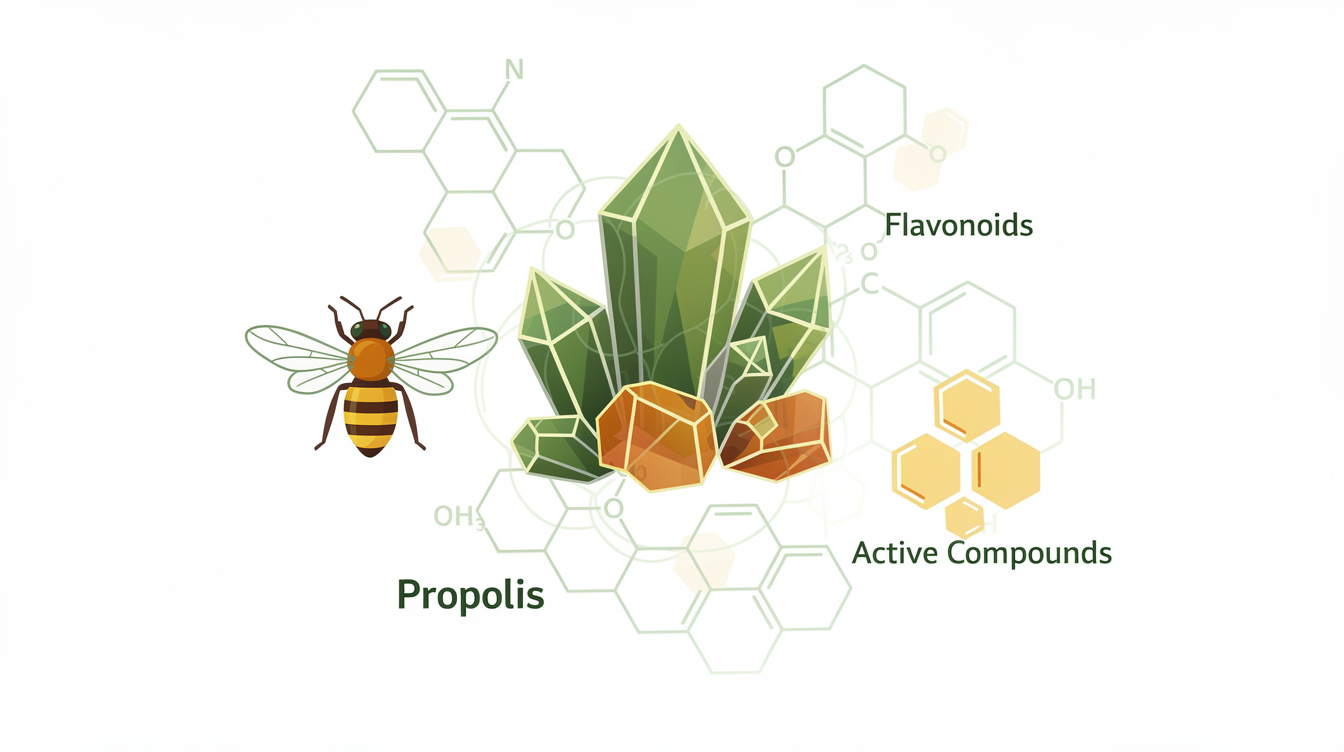
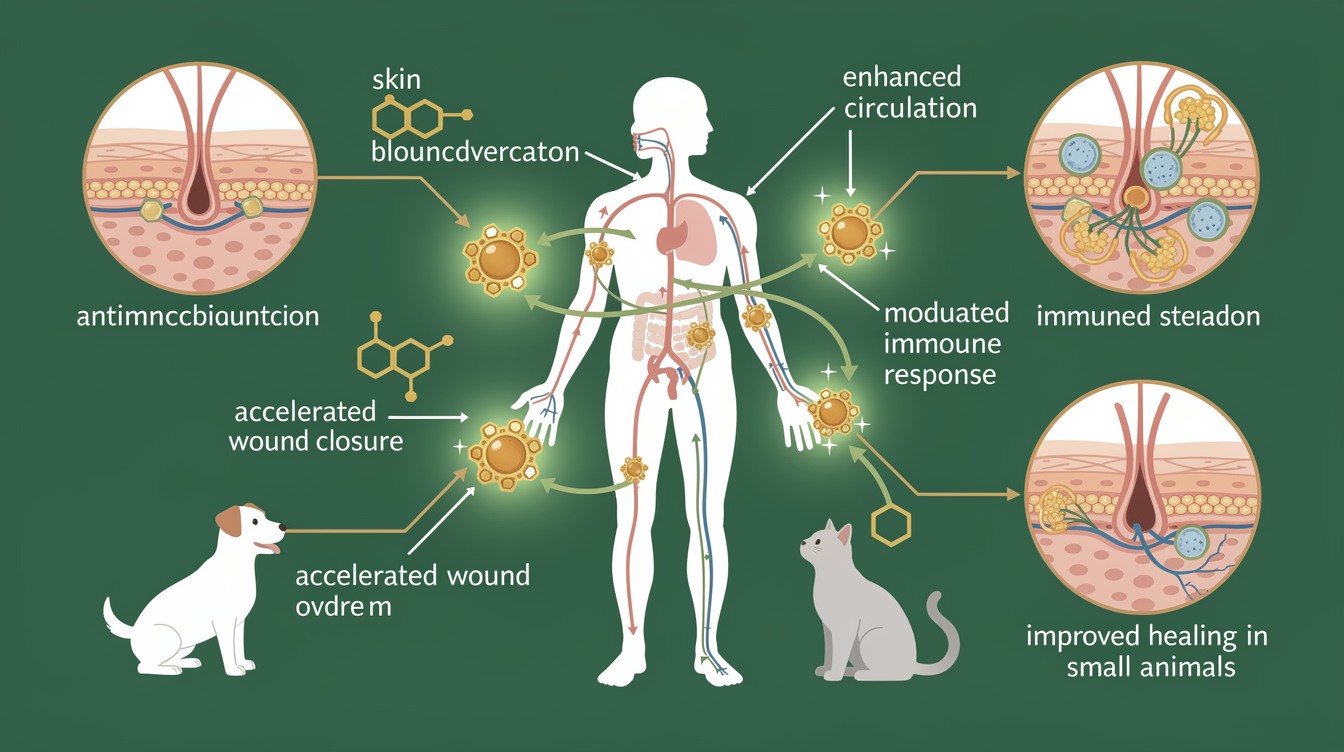
The analysis revealed that propolis demonstrated antimicrobial and regenerative properties that may support the body’s natural healing processes. When wounds become infected or inflammation persists, the healing timeline extends significantly. The antimicrobial effects of propolis may help control harmful bacteria while its regenerative properties could stimulate new tissue formation.
Beyond propolis, the research highlighted three other integrative approaches:
- Ozone therapy may contribute to microbial control and immune system modulation
- Light therapy may stimulate cellular activity and boost collagen production
- Medicinal plants showed antioxidant and anti-inflammatory effects that could reduce healing time
| Study Detail | Information |
|---|---|
| Publication | Veterinary Sciences, 2024 |
| Study Type | Comprehensive literature review |
| Focus | Small animal wound healing |
| Therapies Analyzed | Propolis, ozone, light therapy, herbal medicine |
| Key Finding | Integrative approaches may complement conventional treatment |
The researchers emphasized that these therapies work best when “responsibly applied and supported by scientific evidence” — meaning they’re not miracle cures, but rather supportive treatments that may enhance your pet’s natural healing abilities.
How This Applies to Your Daily Life
Understanding how these findings translate to real-world pet care can help you make informed decisions about your animal’s recovery process.
1. Consider propolis-based products for minor cuts and scrapes. Research suggests propolis may offer antimicrobial protection while supporting tissue regeneration. If your dog gets a small cut during a walk or your cat has a minor scrape, propolis-containing topical products might help prevent infection while encouraging faster healing. Always clean the wound thoroughly first and consult your veterinarian for anything more than superficial damage.
2. Ask your vet about integrative options for surgical recovery. If your pet is scheduled for surgery or is recovering from a procedure, discuss whether integrative therapies might support their healing process. Light therapy, for instance, may stimulate cellular activity that promotes better tissue repair. Your veterinarian can determine if your pet is a good candidate for these supplementary treatments.
3. Don’t replace conventional care — supplement it thoughtfully. The research clearly indicates these approaches work best alongside traditional veterinary medicine, not instead of it. Continue following your vet’s prescribed antibiotic regimens, wound cleaning protocols, and follow-up schedules. Think of integrative therapies as additional support tools in your pet’s healing toolkit.
4. Monitor wounds closely regardless of treatment approach. Whether you’re using conventional treatment alone or adding integrative therapies, watch for signs that healing isn’t progressing normally. Increased redness, swelling, discharge, or if your pet seems increasingly uncomfortable, contact your veterinarian immediately. Some wounds require more aggressive intervention regardless of the treatment approach.
What You Should Know Before Using Propolis on Pets
While the research indicates propolis may support wound healing, responsible use requires understanding proper application and safety considerations.
Dosage and Application: The studies reviewed didn’t specify exact dosing protocols, as propolis applications varied widely depending on the formulation (creams, tinctures, or honey-based products). Most veterinary applications involve topical use rather than oral administration. Work with a veterinarian experienced in integrative medicine to determine appropriate products and application methods for your specific pet and situation.
Safety Considerations: Some animals may develop allergic reactions to propolis, particularly if they’re sensitive to bee products or tree resins. Start with a small test application on healthy skin before using on wounds. Watch for increased redness, swelling, or signs of irritation. Cats, in particular, may be more sensitive to certain propolis preparations.
Who Should NOT Use Propolis: Pets with known allergies to bee products, honey, or tree pollens should avoid propolis entirely. Animals with compromised immune systems may need special consideration. If your pet is on immunosuppressive medications or has an autoimmune condition, discuss propolis use with your veterinarian before application.
Always source propolis products specifically formulated for veterinary use rather than human products, as concentrations and additional ingredients may differ significantly.
Frequently Asked Questions
Q: Can I use propolis on deep wounds or surgical sites?
A: Deep wounds and surgical sites require professional veterinary management. While research suggests propolis may support healing, these serious injuries need proper medical evaluation, cleaning, and potentially suturing or other interventions. Propolis might be considered as a supplementary treatment after your veterinarian has properly addressed the primary wound care needs.
Q: How long does it typically take to see improvement with integrative wound healing approaches?
A: Wound healing timelines vary significantly based on the injury’s severity, your pet’s age and health status, and location of the wound. Minor cuts might show improvement within days, while larger wounds could take weeks. The research suggests integrative therapies may support faster healing, but don’t expect overnight miracles. If you don’t see normal healing progress within a few days for minor wounds, or if healing seems to stall, consult your veterinarian.
Q: Are there any medications that interact poorly with propolis or other integrative therapies?
A: While the reviewed research doesn’t specify drug interactions, propolis could potentially interact with certain medications, particularly those affecting blood clotting or immune function. If your pet takes regular medications for chronic conditions, discuss adding any new treatments with your veterinarian. This is especially important for pets on antibiotics, anti-inflammatory drugs, or immunosuppressive medications.
Q: Can I combine multiple integrative therapies like propolis and light therapy?
A: The research suggests various integrative approaches may work well together, but combining treatments should be done under professional guidance. Each therapy has its own application methods and potential side effects. Your veterinarian can help design a comprehensive approach that safely incorporates multiple therapies without overwhelming your pet’s system or creating unexpected interactions.
Q: How do I find a veterinarian who understands integrative wound healing approaches?
A: Look for veterinarians who are certified in integrative or holistic veterinary medicine through organizations like the American Holistic Veterinary Medical Association. Many conventional veterinarians also incorporate evidence-based integrative approaches into their practice. Ask potential veterinarians about their experience with the specific therapies you’re interested in, and ensure they stay current with scientific literature on integrative treatments.
The Bottom Line
Research suggests that integrative therapies, including propolis, may offer valuable support for wound healing in small animals when used responsibly alongside conventional veterinary care. The antimicrobial and regenerative properties of propolis, combined with approaches like light therapy and herbal medicine, may help pets heal more efficiently while reducing the risk of complications. However, these treatments work best as supplements to, not replacements for, proper veterinary wound management. Always consult with a qualified veterinarian before adding integrative therapies to your pet’s treatment plan, especially for serious wounds or surgical sites.
Authors: Santos JKVRS, Costa EDS, Fernandes CCL, Cortez AA, Fonsêca ADV, Guedes RFM, Araújo PRM