
Brazilian Propolis Shows Promise Against Seasonal Health Challenges
Getting hit with yet another infection just as the seasons change? You’re not alone in noticing how seasonal shifts seem to leave your immune system scrambling. Millions of people find themselves battling everything from respiratory infections to skin problems when the weather transitions, and researchers may have discovered an unexpected ally in this age-old struggle.
Brazilian greenish-brown propolis demonstrates significant antimicrobial and antioxidant properties that vary by season, with research suggesting this unique bee product may support immune function and help combat various pathogens including bacteria, fungi, and parasites.
What the Research Discovered
Brazilian researchers made a fascinating discovery about a previously unknown type of propolis — a greenish-brown variety that shows remarkable biological activity. This wasn’t just another propolis study; scientists tracked how this bee-made substance changes throughout the year and what that means for its health-supporting properties.
The study revealed that this greenish-brown propolis contains powerful compounds that research suggests may help your body fight off various threats. Most impressively, the propolis showed strong activity against multiple types of harmful microorganisms, including bacteria that cause infections, fungi that create skin problems, and even parasites.
Key findings from the research:
- Antioxidant activity varied significantly between seasons, with some collection periods showing up to 3x higher protective compound levels
- Antimicrobial effects were demonstrated against both gram-positive and gram-negative bacteria
- Antifungal properties showed effectiveness against common fungal strains
- Anti-parasitic activity was observed against leishmaniasis-causing parasites
- Chemical composition shifted dramatically based on collection season, explaining the varying potency
| Study Details | |
|---|---|
| Publication | Molecules, 2026 |
| Study Type | Seasonal chemical analysis and biological activity testing |
| Duration | 12-month seasonal collection period |
| Sample Source | Brazilian greenish-brown propolis |
| Key Measurements | Antioxidant capacity, antimicrobial activity, chemical profiling |
What makes this research particularly interesting is how the scientists discovered that timing matters — a lot. The propolis collected during certain seasons contained significantly higher levels of beneficial compounds, suggesting that when bees make this natural product influences how well it might support human health.
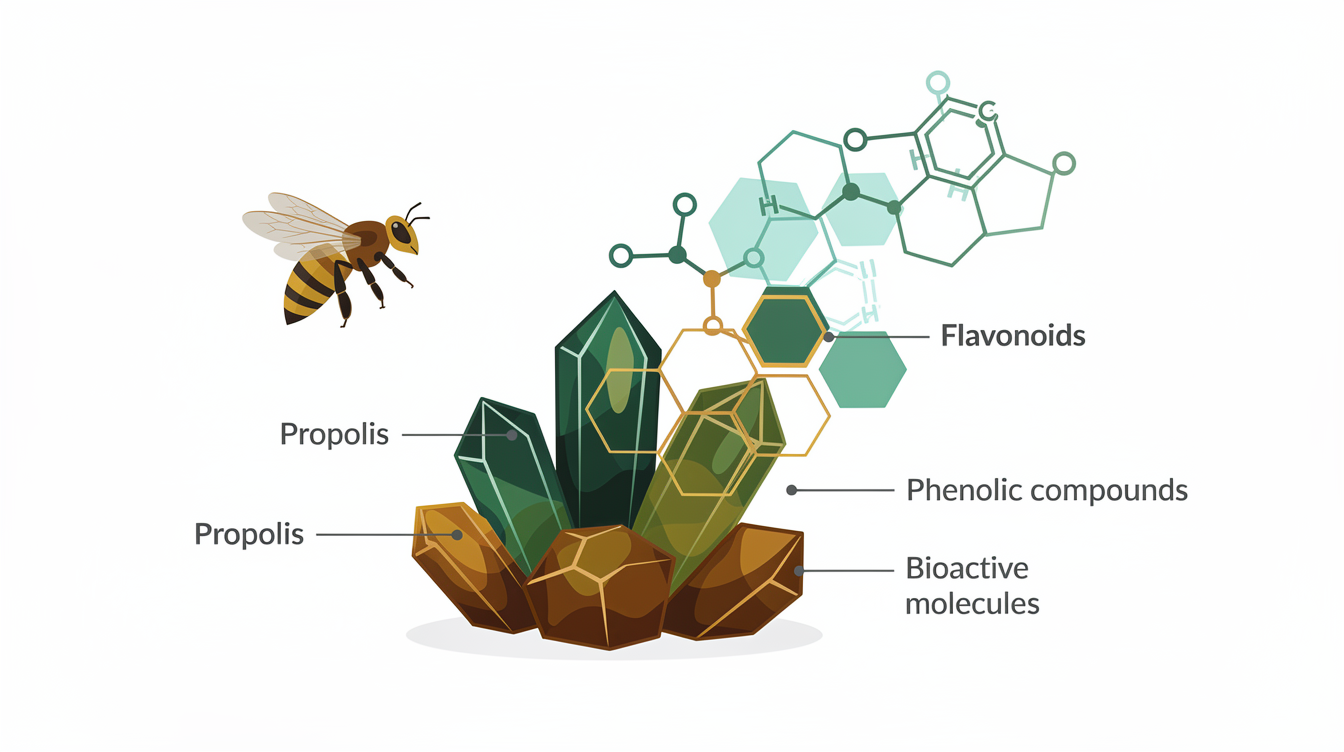
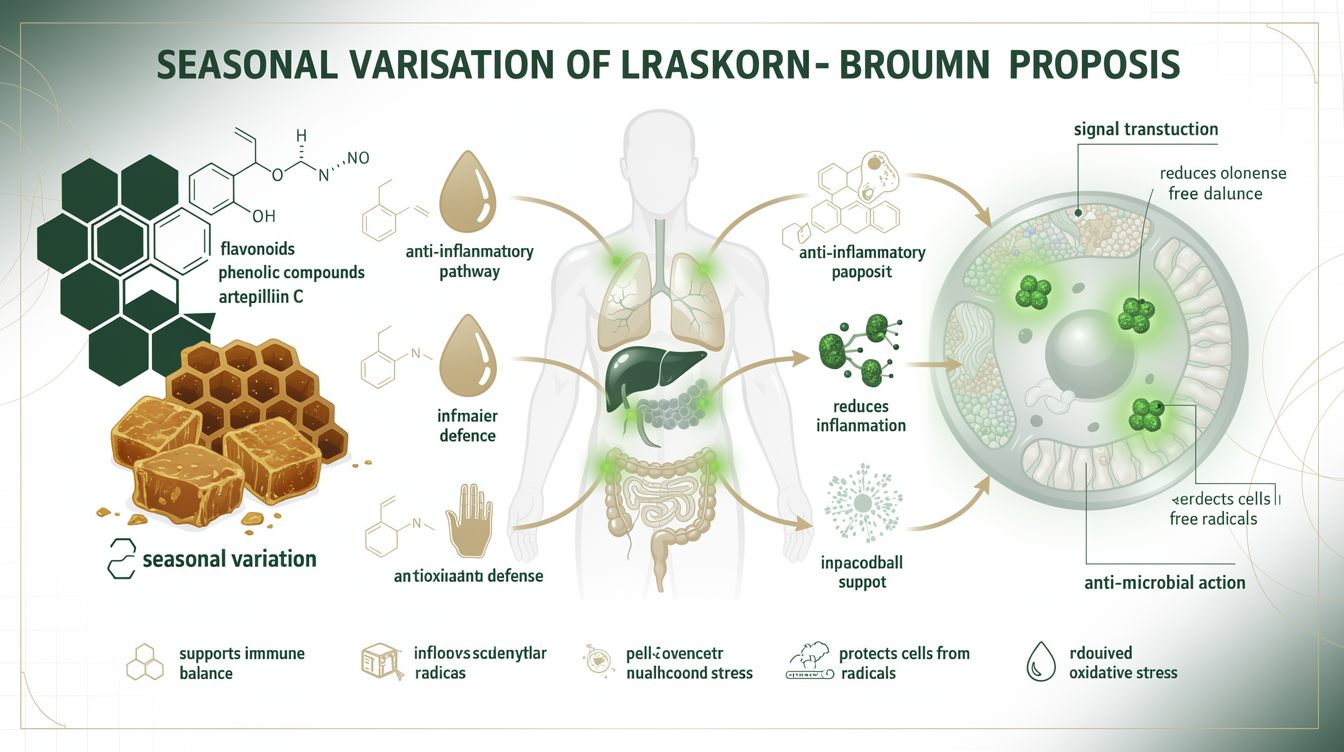
The chemical analysis revealed over 50 different bioactive compounds, including flavonoids, phenolic acids, and unique terpenoids not commonly found in other propolis types. These compounds work together in what researchers call a “synergistic effect,” where the whole appears to be greater than the sum of its parts.
How This Applies to Your Daily Life
1. Seasonal immune support timing matters
If you’re someone who consistently gets sick during seasonal transitions, this research suggests timing your propolis use strategically. The study indicates that propolis collected during certain seasons contains up to three times more immune-supporting compounds. While you can’t control when your propolis was harvested, understanding that quality varies seasonally can help you choose products from reputable suppliers who track these details.
2. Natural antimicrobial support for common infections
For those dealing with recurring bacterial or fungal issues — whether it’s skin problems, respiratory infections, or digestive concerns — this research suggests propolis may offer broad-spectrum support. The study showed activity against multiple types of pathogens that commonly cause human health problems, indicating this isn’t a one-trick remedy but rather a multi-faceted natural support system.
3. Antioxidant protection during high-stress periods
The research revealed significant antioxidant activity, which becomes crucial during times when your body faces extra stress — like seasonal changes, travel, or high-demand periods at work. The antioxidant compounds identified in this propolis type may help protect your cells from the oxidative stress that can leave you vulnerable to illness.
4. Quality matters more than you might think
This study highlights why not all propolis products are created equal. The dramatic seasonal variations in beneficial compounds mean that sourcing, processing, and storage methods can significantly impact what you’re actually getting. Look for propolis products that provide information about their source, collection methods, and testing for active compounds.
What You Should Know Before Taking Propolis
Dosage and Usage:
The research used various concentrations for testing, typically ranging from 25-200 μg/mL in laboratory conditions. For human use, most studies suggest starting with 300-500mg daily, though this specific Brazilian greenish-brown type hasn’t been tested in human clinical trials yet. Always start with lower doses to assess tolerance.
Safety Considerations:
Research suggests propolis is generally well-tolerated by most people, but there are important exceptions. The study didn’t identify any toxic effects in laboratory testing, but human use requires more caution than test tubes.
Who Should NOT Use Propolis:
- People with bee allergies (this is critical — propolis can trigger severe allergic reactions)
- Pregnant or breastfeeding women (insufficient safety data)
- Children under 2 years old
- People taking blood-thinning medications (propolis may enhance anticoagulant effects)
- Those with severe asthma (may trigger respiratory reactions)
Potential Side Effects:
Some people experience mild digestive upset, skin reactions, or mouth irritation when starting propolis. These effects typically subside as your body adjusts, but discontinue use if reactions persist or worsen.
Frequently Asked Questions
Q: How is this Brazilian greenish-brown propolis different from regular propolis?
A: This newly identified type contains unique chemical compounds not commonly found in other propolis varieties. The research shows it has distinct terpenoids and a different flavonoid profile compared to the more common brown or green propolis types. These differences translate to potentially different biological activities, though more research is needed to understand the practical implications for human health.
Q: Why does the season when propolis is collected matter so much?
A: Bees create propolis from plant resins, and plants produce different compounds throughout the year based on environmental factors like temperature, rainfall, and flowering cycles. The study showed that propolis collected during certain seasons contained dramatically higher levels of antioxidants and antimicrobial compounds. This seasonal variation explains why some propolis products might seem more effective than others.
Q: Can I use this type of propolis to replace antibiotics for infections?
A: Absolutely not. While the research shows promising antimicrobial activity in laboratory conditions, this doesn’t mean propolis can replace prescribed medications for serious infections. The study demonstrates that propolis may support your body’s natural defenses, but bacterial infections requiring antibiotic treatment should always be handled by healthcare professionals. Think of propolis as supportive care, not primary treatment.
Q: How do I know if the propolis I’m buying contains these beneficial compounds?
A: Look for products that provide certificates of analysis showing antioxidant capacity and antimicrobial testing. Reputable suppliers should be able to tell you the source location, collection season, and processing methods. Brazilian propolis, particularly from specific regions, tends to have higher biological activity, but quality control and proper extraction methods are equally important regardless of origin.
Q: Are there any medications that interact with propolis?
A: Research suggests propolis may enhance the effects of blood-thinning medications like warfarin, potentially increasing bleeding risk. It may also interact with certain antibiotics, either enhancing or reducing their effectiveness. Some studies indicate propolis might affect blood sugar levels, which could impact diabetes medications. Always consult your healthcare provider before adding propolis to your routine, especially if you take prescription medications.
The Bottom Line
This groundbreaking research on Brazilian greenish-brown propolis reveals that nature’s timing creates significant differences in this bee-made health supporter. Studies indicate this unique propolis type demonstrates impressive antimicrobial, antifungal, and antioxidant activities that vary dramatically by season. While these findings are promising for those seeking natural immune support, remember that laboratory results don’t automatically translate to human health benefits. Research suggests propolis may serve as valuable supportive care for seasonal health challenges, but it’s not a magic bullet. Quality sourcing matters tremendously, and individual responses vary. As with any natural supplement, consult your healthcare provider before starting propolis, especially if you have allergies, take medications, or have underlying health conditions.
Authors: da Silva EG Jr, Borges ALTF, Oliveria JVL, Calumby RJN, Costa SPM, Escodro PB, Porto ICCM, Lins APDNP, Moura MABF, Dornelas CB, Freitas JD, Kamiya RU, Almeida LM, Rocha LGD, Rocha Junior ERD, Goulart MOF, Nascimento TGD