
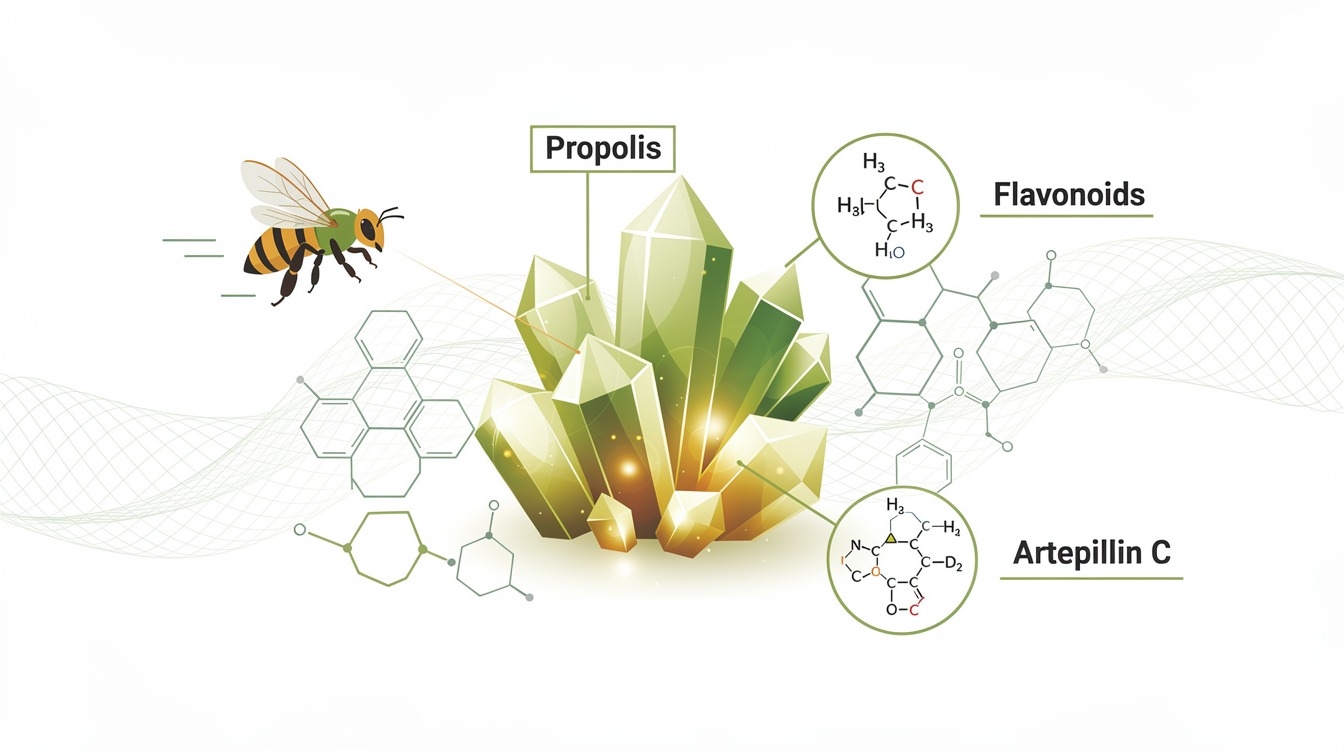
Brazilian Green Propolis Speeds Up Wound Healing: New Research Explains How
Minor cuts and scrapes are part of life, but watching them heal slowly can be frustrating — especially when you’re worried about scarring or infection. For centuries, people have turned to natural remedies to speed recovery, and now Japanese researchers have uncovered exactly how one of nature’s most powerful wound healers actually works.
Research suggests Brazilian green propolis may accelerate wound healing by optimizing collagen production and reducing tissue breakdown, potentially offering a natural approach to faster skin recovery with less scarring.
What the Research Discovered
Scientists at Hokkaido University investigated how Brazilian green propolis and its key compound artepillin C affect the cellular processes involved in wound healing. Using human skin cells called dermal fibroblasts — the cells responsible for producing collagen and healing wounds — they made several remarkable discoveries.
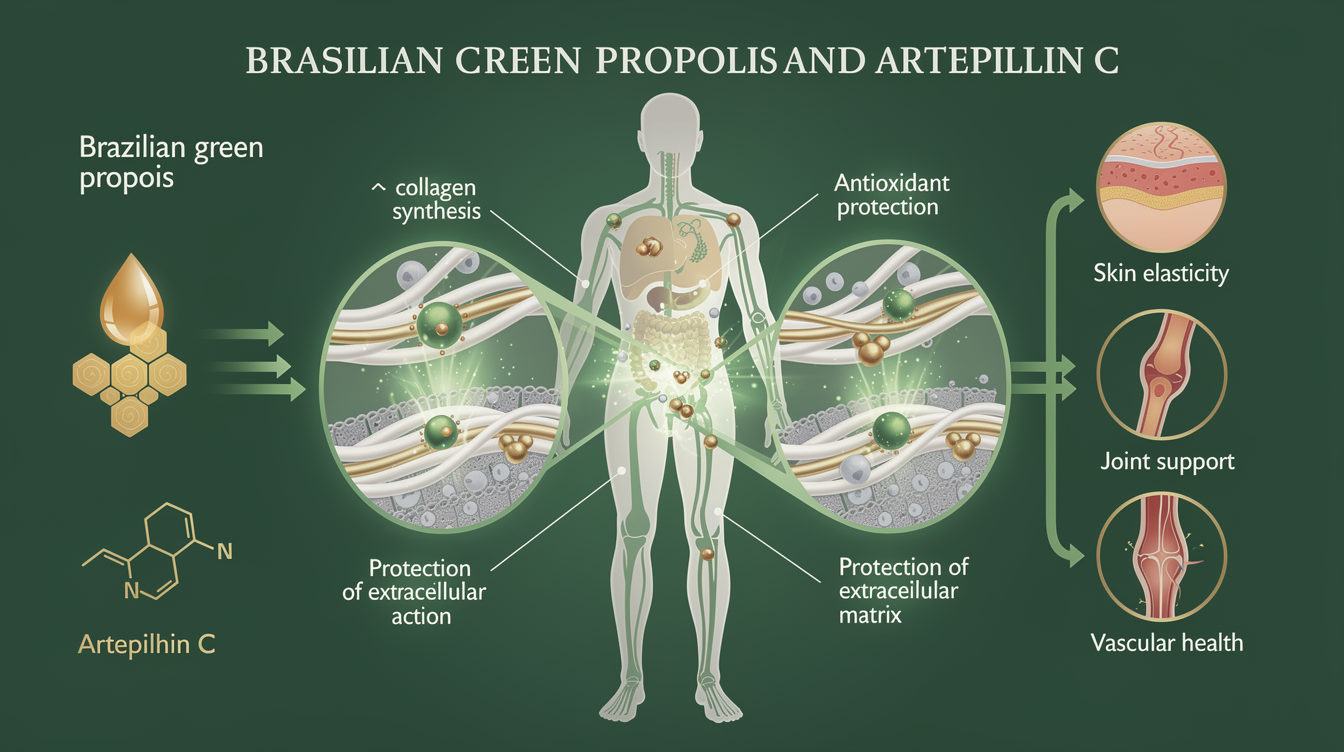
The research revealed that propolis treatment significantly altered collagen metabolism in ways that favor wound healing. Specifically, propolis increased the production of types I and V collagen (the strong, structural collagens that form healthy scar tissue) while reducing type III collagen (associated with weaker, more visible scars).
Perhaps most importantly, propolis reduced the activity of matrix metalloproteinases (MMP-2 and MMP-9) — enzymes that break down collagen and can slow healing. Simultaneously, it increased TIMP-2, a natural inhibitor that prevents excessive collagen breakdown.
| Study Detail | Information |
|---|---|
| Publication | Phytomedicine, 2026 |
| Research Type | In vitro cell culture study |
| Test Material | Brazilian green propolis extract and artepillin C |
| Cell Type | Human dermal fibroblasts |
| Key Measurements | Collagen production, enzyme activity, cell migration |
| Duration | Multiple timepoints assessed |
The researchers also found that propolis enhanced fibroblast migration — essentially helping healing cells move more efficiently to wound sites. This cellular movement is crucial for proper wound closure and tissue repair.
How This Applies to Your Daily Life
Based on these research findings, here are practical ways this discovery might benefit your wound care routine:
- Consider propolis-based topical products for minor cuts and scrapes. The research suggests propolis may help wounds heal with better collagen formation, potentially reducing scarring. Look for products containing Brazilian green propolis extract when dealing with small injuries, though always clean wounds properly first.
- Think about propolis for post-surgical care. While you should always follow your doctor’s instructions, some evidence indicates propolis might support the healing process after minor procedures. Discuss with your healthcare provider whether propolis-containing products might complement your post-surgery care routine.
- Use propolis products for skin maintenance. Since the research shows propolis supports healthy collagen metabolism, regular use of propolis-containing skincare products might help maintain skin structure and resilience over time, though this requires further study in living subjects.
- Time your application strategically. The cellular effects observed in this study suggest propolis might be most beneficial when applied consistently during the active healing phase of wound repair, typically the first several days after injury occurs.
What You Should Know Before Using Propolis
While this research is promising, the study was conducted on isolated cells in laboratory conditions. The optimal dosage and application method for humans hasn’t been definitively established through clinical trials.
Safety considerations:
- Propolis can cause allergic reactions in some people, particularly those allergic to bee products, pollen, or certain trees
- Always test a small skin area first before applying to larger wounds
- Pregnant and breastfeeding women should consult healthcare providers before use
- People with asthma may be more susceptible to propolis allergies
Who should avoid propolis:
- Individuals with known bee product allergies
- Those with a history of severe allergic reactions to plant-based compounds
- Anyone taking blood-thinning medications without medical supervision
- People with compromised immune systems should consult their doctor first
The researchers used specific concentrations of Brazilian green propolis extract in their laboratory studies, but translating these to real-world applications requires further clinical research.
Frequently Asked Questions
Q: How long does it take for propolis to show wound healing effects?
The cellular changes observed in this research occurred within hours to days in laboratory conditions. However, visible wound healing improvements in humans would likely take longer — potentially several days to weeks depending on wound size and individual healing capacity. The research suggests the underlying cellular processes that support healing begin relatively quickly after propolis application.
Q: Is Brazilian green propolis better than other types for wound healing?
This study specifically examined Brazilian green propolis, which contains high levels of artepillin C — the compound researchers identified as particularly active in promoting healing processes. While other propolis varieties may have benefits, Brazilian green propolis appears to have unique properties related to collagen metabolism that make it especially interesting for wound care applications.
Q: Can I use propolis on deep cuts or serious wounds?
This research focused on the cellular mechanisms of healing and doesn’t address serious wound care. Deep cuts, puncture wounds, or injuries that won’t stop bleeding require professional medical attention. Propolis might be considered as a complementary approach for minor wounds only, and always in addition to proper wound cleaning and care — never as a replacement for appropriate medical treatment.
Q: How does propolis compare to conventional wound care products?
The research shows propolis works through different mechanisms than many conventional treatments — specifically by optimizing the balance between collagen production and breakdown. This suggests it might complement rather than replace traditional wound care. However, direct comparative studies between propolis and standard treatments like antibiotic ointments haven’t been conducted, so both approaches might be used together under appropriate guidance.
Q: Are there any drug interactions I should worry about?
While this study didn’t examine drug interactions, propolis contains numerous bioactive compounds that could potentially interact with medications. People taking blood thinners, immune suppressants, or other medications should consult their healthcare provider before using propolis products. The complex chemistry of propolis means it’s better to err on the side of caution when combining it with prescription medications.
The Bottom Line
This groundbreaking research provides the first detailed look at how Brazilian green propolis influences the cellular machinery of wound healing. The findings suggest propolis may support faster, higher-quality healing by optimizing collagen production and reducing tissue breakdown — potentially leading to better outcomes with less scarring.
While these laboratory results are promising, remember that moving from cell culture studies to real-world applications requires additional research. The mechanisms identified here provide a strong scientific foundation for propolis use in wound care, but individual results may vary.
For minor cuts and scrapes, research suggests propolis-based products might offer a natural complement to standard wound care practices. However, serious injuries always require professional medical attention, and anyone with allergies or medical conditions should consult their healthcare provider before trying new treatments.
The beauty of this research lies not just in confirming what traditional medicine has long claimed about propolis, but in revealing the precise biological pathways involved. This understanding opens the door for more targeted and effective uses of this remarkable natural compound in supporting our body’s healing processes.
Authors: Koga H, Nishimura T, Kobayashi K