
Living with fatty liver disease is stressful enough—but when doctors mention the increased cancer risk that comes with it, the worry becomes overwhelming. For millions of Americans with metabolic dysfunction-associated steatotic liver disease (MASLD), the fear of developing liver cancer looms large, especially when traditional treatments seem limited and harsh on an already compromised liver.
Research suggests propolis combined with standard medications may offer a gentler yet effective approach for targeting liver cancer cells while protecting healthy liver tissue, particularly in patients with fatty liver disease.
What the Research Discovered
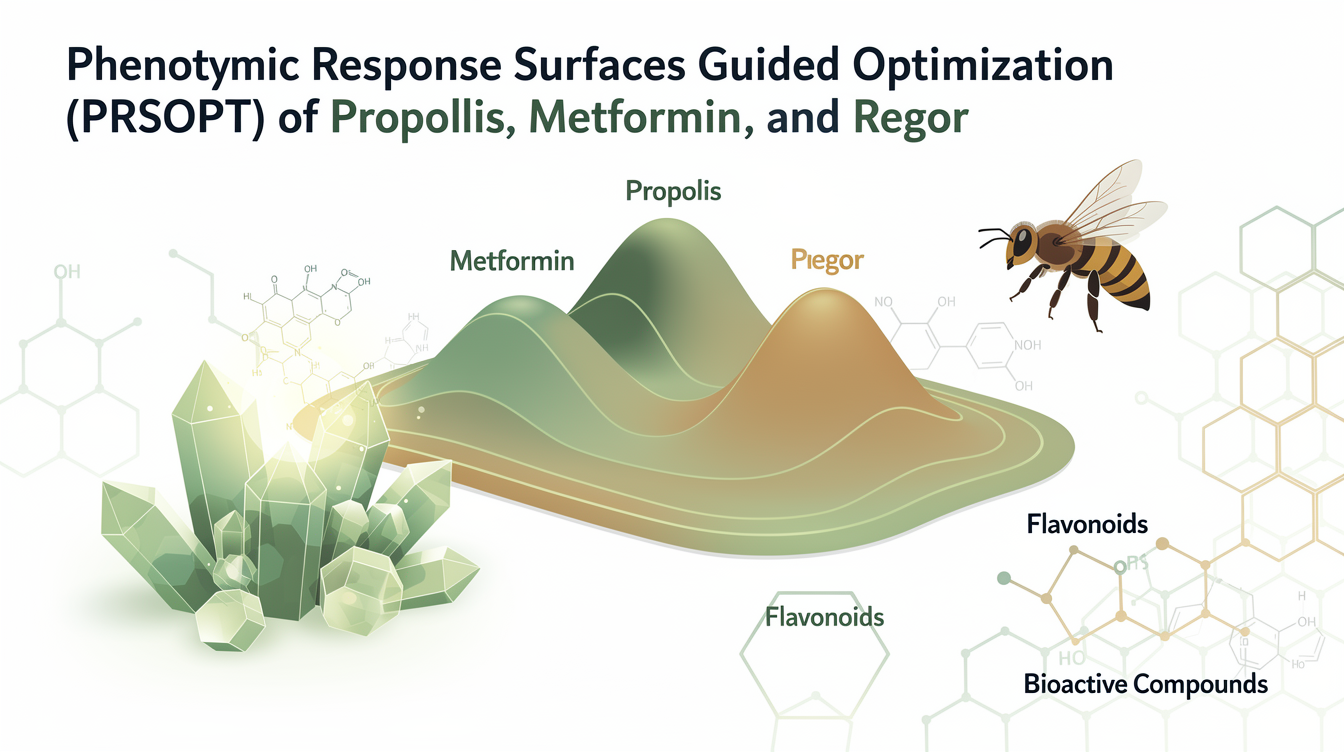
Scientists at Taiwan’s National Health Research Institutes made a breakthrough discovery using an innovative approach called Phenotypic Response Surface-guided Optimization (PRS-OPT). This advanced method allowed them to find the optimal combination of three compounds: propolis (a natural bee product), metformin (a diabetes medication), and regorafenib (a cancer drug) specifically for liver cancer that develops in fatty liver conditions.
The research team tested this three-way combination on liver cancer cells under two different conditions—normal laboratory conditions and conditions that mimic the fatty, inflamed environment of MASLD patients’ livers. What they found was remarkable: the propolis-metformin-regorafenib combination maintained its cancer-fighting effectiveness even in the challenging fatty-acid-rich environment that characterizes MASLD.
Study Details:
- Publication: Oncology Research, 2026
- Study Type: Laboratory-based optimization study
- Cell Lines Tested: PLC/PRF/5 and HepG2 (liver cancer), THLE-2 (healthy liver cells)
- Key Innovation: PRS-OPT methodology for precise dose optimization
- Primary Outcome: Selective cancer cell targeting while sparing healthy liver cells
The study’s most significant finding was that this combination therapy could be “hepatocyte-sparing”—meaning it targets cancer cells while protecting healthy liver tissue. This is crucial for MASLD patients whose livers are already under stress from fat accumulation and inflammation.
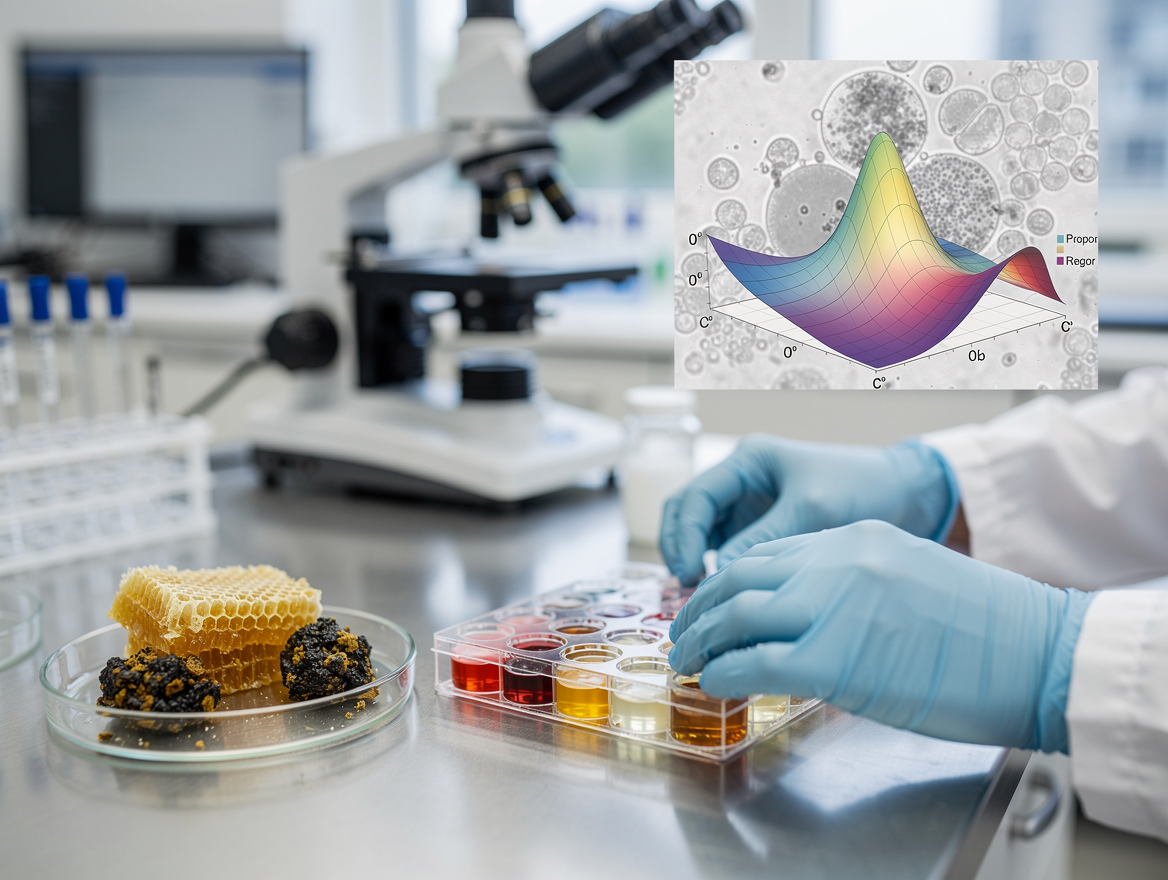
Using sophisticated mathematical modeling, researchers mapped out exact dose combinations that maximized cancer cell destruction while minimizing damage to healthy liver cells. They discovered that propolis enhanced the effectiveness of the conventional drugs while potentially reducing their toxic side effects.
How This Applies to Your Daily Life
1. Understanding Your Liver Cancer Risk
If you’ve been diagnosed with MASLD (formerly called NAFLD), this research offers hope for more targeted treatment options should liver cancer develop. The study specifically addresses the unique challenges of treating cancer in fatty liver conditions, where the liver’s altered environment can make standard treatments less effective or more toxic.
2. The Promise of Natural-Pharmaceutical Combinations
This research suggests that propolis—a natural compound you might find in health stores—could work synergistically with established medications. However, it’s crucial to understand that this specific combination requires precise dosing that was determined through sophisticated laboratory analysis, not simple supplementation.
3. Personalized Treatment Possibilities
The PRS-OPT approach represents a move toward more personalized medicine. Instead of using standard doses for everyone, this method could potentially help doctors tailor treatment combinations to individual patients’ liver conditions and metabolic profiles.
4. Future Treatment Options
While this research is still in laboratory stages, it points toward gentler combination therapies that could be particularly beneficial for patients whose livers are already compromised by fatty infiltration and inflammation. This could mean fewer side effects and better quality of life during treatment.
What You Should Know Before Taking Propolis
Dosage and Standardization
The study used specific, laboratory-optimized concentrations of propolis in combination with metformin and regorafenib. These precise ratios were determined through mathematical modeling and cannot be replicated by simply taking over-the-counter propolis supplements alongside prescription medications.
Safety Considerations
Research suggests propolis is generally well-tolerated, but several important safety factors apply:
- Allergic reactions: People allergic to bee products, pollen, or certain plants should avoid propolis
- Drug interactions: Propolis may interact with blood thinners, immunosuppressants, and other medications
- Quality varies: Commercial propolis products lack standardization, making consistent dosing difficult
Who Should NOT Use Propolis
- Individuals with bee product allergies
- People taking blood-thinning medications without medical supervision
- Pregnant or breastfeeding women (insufficient safety data)
- Children under 12 years old
- Patients with autoimmune conditions (propolis may stimulate immune function)
Important Medical Disclaimer
This research represents early-stage laboratory findings. The specific three-drug combination studied requires medical supervision and is not available as a standard treatment. Never attempt to recreate this combination without oncologist guidance.
Frequently Asked Questions
Q: Can I start taking propolis supplements if I have fatty liver disease?
A: While propolis shows promise in research, you should consult your healthcare provider before adding any supplement to your regimen. The study used specific concentrations in combination with prescription medications—not standalone propolis supplementation. Your doctor can help determine if propolis might interact with your current treatments or medical conditions.
Q: How does propolis work against liver cancer cells?
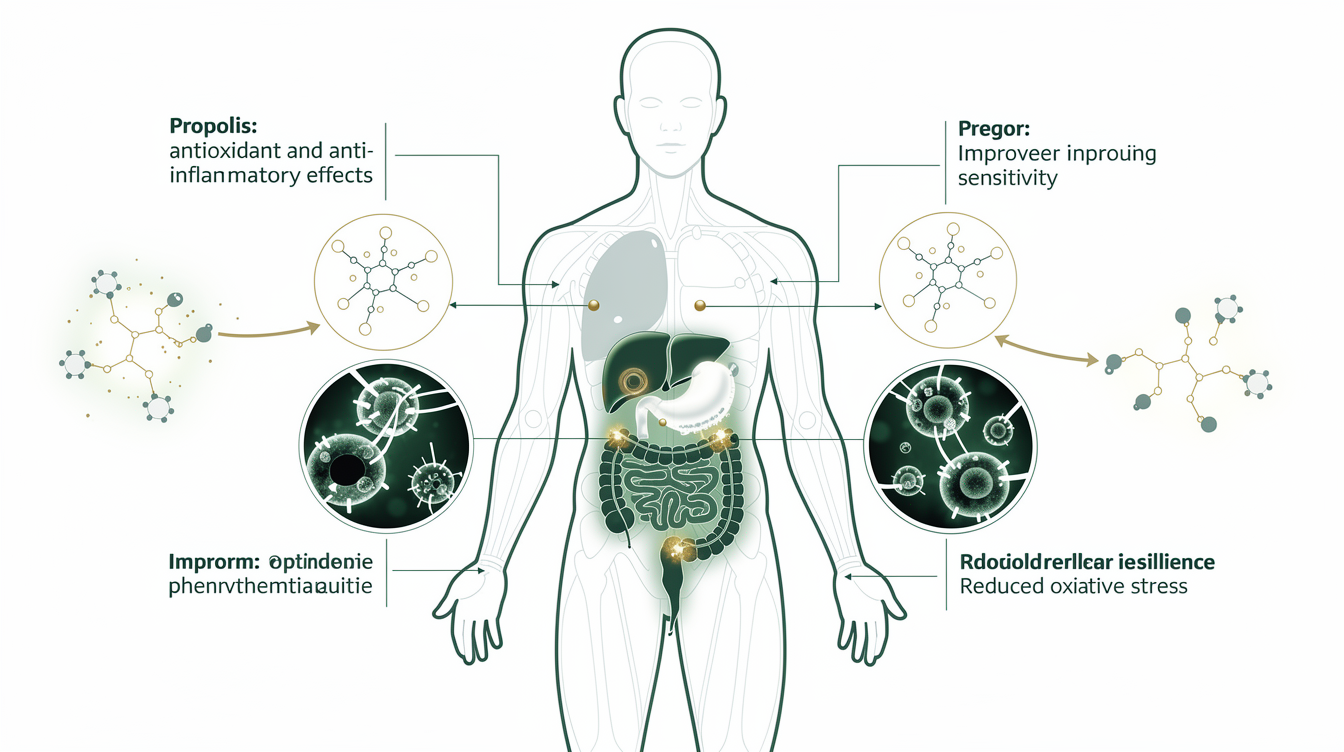
A: Research suggests propolis contains multiple bioactive compounds that may support cancer cell death through various mechanisms, including oxidative stress induction and immune system modulation. In this study, propolis appeared to enhance the effectiveness of metformin and regorafenib while potentially protecting healthy liver cells from damage.
Q: Is this combination therapy available for patients now?
A: No, this specific three-drug combination is not yet available as a standard treatment. The research represents promising laboratory findings that require further clinical trials before becoming available to patients. Current treatment decisions should be made with your oncology team using established, FDA-approved therapies.
Q: Why is MASLD-associated liver cancer different from other liver cancers?
A: MASLD creates a unique liver environment characterized by fat accumulation, inflammation, and altered metabolism. This changes how cancer develops and how treatments work. Standard liver cancer therapies may be less effective or more toxic in patients with underlying fatty liver disease, which is why targeted approaches like this research are important.
Q: What makes the PRS-OPT approach different from traditional drug development?
A: Traditional drug development often tests one compound at a time or uses simple combination ratios. PRS-OPT uses mathematical modeling to map out how different dose combinations interact across multiple conditions simultaneously. This allows researchers to find optimal ratios that maximize benefits while minimizing harm—particularly important for patients with compromised liver function.
The Bottom Line
This groundbreaking research suggests that propolis, when precisely combined with conventional medications, may offer a more targeted approach to liver cancer treatment in patients with fatty liver disease. The study’s innovative methodology identifies specific dose combinations that appear to destroy cancer cells while protecting healthy liver tissue—a crucial advantage for patients whose livers are already under metabolic stress. However, these findings represent early laboratory work requiring extensive clinical validation before becoming available treatments. If you have MASLD or liver cancer concerns, discuss current evidence-based treatment options with your healthcare team rather than attempting to self-treat with supplements.
Authors: Huang YS, Ma CY, Roan HY, Chiang CH, Tsou HH, Chen CH, Lin YF, Wang HD, Yuh CH