
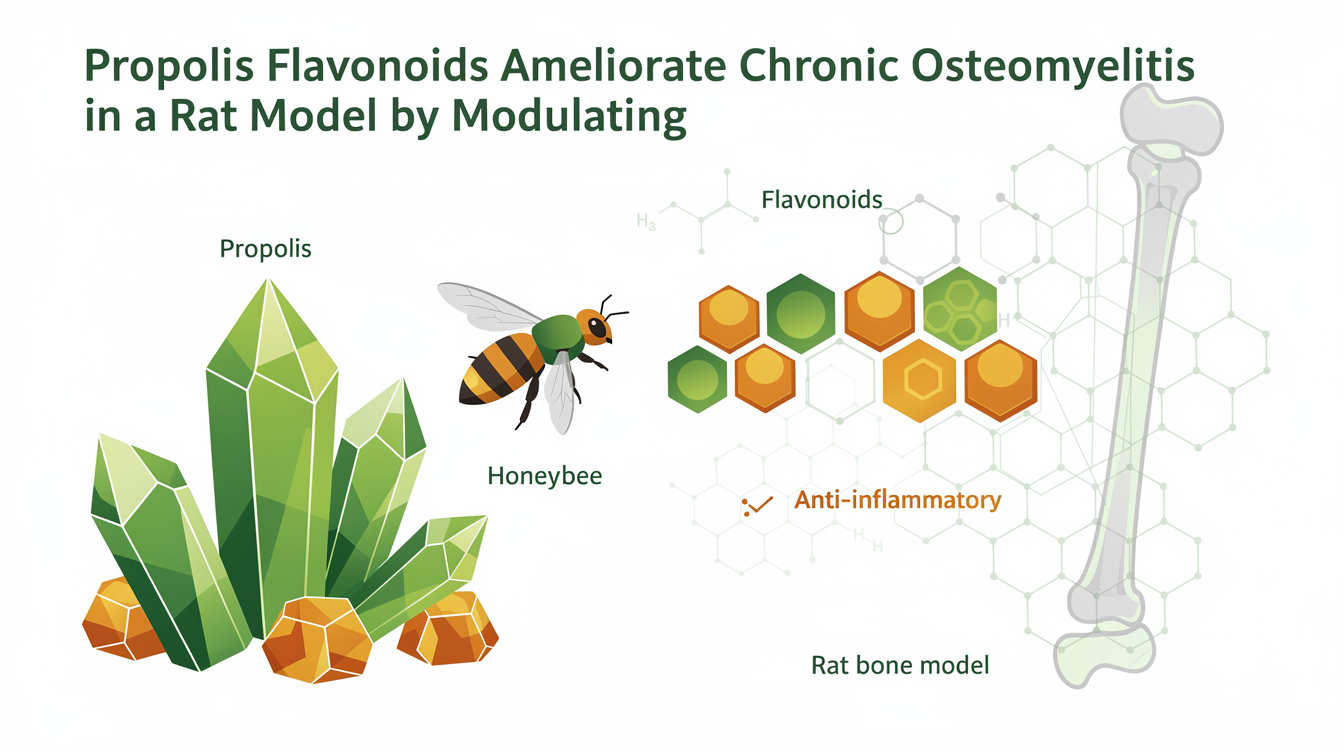
If you’ve ever experienced a bone infection that just won’t heal — the kind that keeps coming back despite antibiotics and leaves you wondering if there’s anything else that could help — you’re facing one of orthopedic medicine’s most stubborn challenges. Chronic osteomyelitis affects thousands of Americans each year, causing persistent pain, swelling, and sometimes requiring multiple surgeries when conventional treatments fall short.
Propolis Flavonoids Show Promise for Chronic Bone Infections
Research suggests propolis flavonoids may help combat chronic osteomyelitis by balancing immune cell responses in bone tissue. A 2024 study found that propolis compounds significantly reduced bacterial burden in infected bones while modulating key immune pathways, potentially offering a complementary approach to traditional antibiotic therapy for persistent bone infections.
What the Research Discovered
This groundbreaking study from Chinese researchers investigated how propolis flavonoids might help treat chronic osteomyelitis — a persistent bone infection that’s notoriously difficult to cure. The research team focused on understanding exactly how these natural compounds work at the cellular level, particularly their effects on immune system balance.
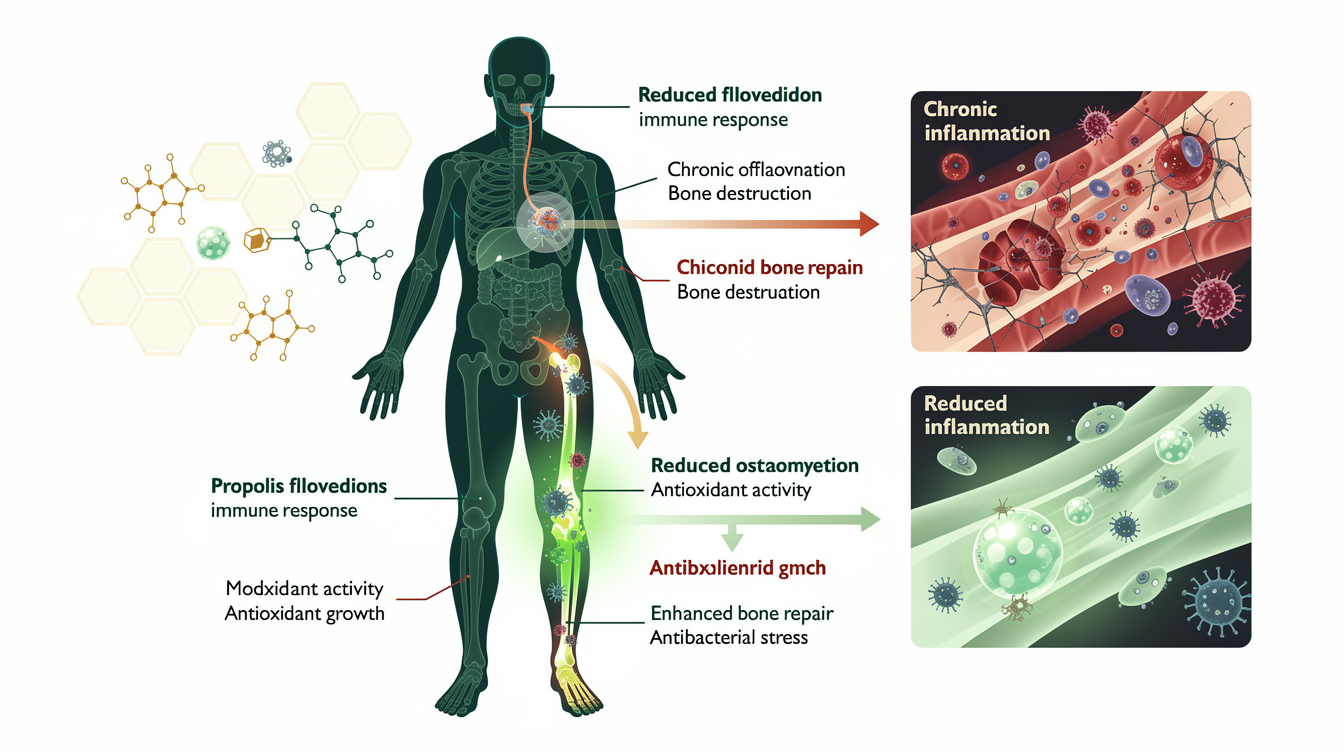
The key findings were remarkable. When researchers treated infected bone tissue with propolis flavonoids, they observed a significant reduction in bacterial load compared to untreated infections (p < 0.001). Even more intriguing, the propolis compounds appeared to work by fine-tuning the balance between two critical types of immune cells: regulatory T cells (Tregs) and Th17 cells.
Here’s what makes this discovery so important: chronic osteomyelitis often persists because the body’s immune response becomes imbalanced. Th17 cells, which normally help fight infections, can become overactive and cause excessive inflammation. Meanwhile, regulatory T cells, which help control inflammation, may not function optimally. Propolis flavonoids appeared to restore this delicate balance.
The researchers found that propolis treatment significantly upregulated TAZ protein expression — a key cellular signaling molecule that helps coordinate immune responses. This upregulation corresponded with improved bone cell proliferation and better overall healing outcomes.
| Study Details | Information |
|---|---|
| Publication | Immunity, Inflammation and Disease, 2024 |
| Sample Size | 60 Wistar rats plus human cell cultures |
| Duration | Not specified in abstract |
| Primary Outcome | Bacterial load reduction and immune cell balance |
| Secondary Outcomes | Bone cell proliferation, inflammatory markers |
| Propolis Form | Purified propolis flavonoids |
The research also examined specific inflammatory markers, measuring cytokines like IL-17, IL-21, IL-2, and IL-10. These molecular messengers help orchestrate immune responses, and propolis treatment appeared to shift them toward a more balanced, healing-promoting profile.
How This Applies to Your Daily Life
While this research was conducted in laboratory settings and animal models, the findings suggest several ways propolis might support bone health and infection recovery:
- Complement Your Medical Treatment: If you’re dealing with a chronic bone infection, propolis supplements might work alongside your prescribed antibiotics and medical care. The study suggests propolis flavonoids could enhance your body’s natural ability to clear bacterial infections while reducing excessive inflammation that can impede healing. Always discuss this with your orthopedic specialist before adding any supplements to your treatment plan.
- Support Immune Balance During Recovery: Chronic infections often leave your immune system in an overactive, inflamed state even after the initial treatment. The research indicates propolis flavonoids may help restore the balance between infection-fighting cells and inflammation-controlling cells. This could potentially mean better healing outcomes and reduced risk of infection recurrence.
- Consider Propolis for Bone Health Prevention: While this study focused on treating existing infections, the mechanisms discovered — particularly propolis’s effects on bone cell proliferation — suggest it might support overall bone health. If you’re at higher risk for bone infections due to diabetes, compromised immunity, or previous bone injuries, propolis supplements might offer some protective benefits.
- Timing and Consistency Matter: The laboratory findings suggest that propolis flavonoids need to reach therapeutic concentrations in your system to be effective. This means consistent, appropriate dosing over time rather than occasional use. The research involved continuous exposure to propolis compounds, indicating that sporadic supplementation might not provide the same benefits.
What You Should Know Before Taking Propolis
Based on this research and established safety data, here’s what you need to know about using propolis for bone health:
Dosage Considerations: While the study used 10 µg/mL of propolis flavonoids in laboratory settings, translating this to human dosing requires careful consideration. Most propolis supplements available in the US contain 300-500mg of propolis extract per capsule. However, the concentration of active flavonoids varies significantly between products. Look for standardized extracts that specify flavonoid content.
Safety Profile: Propolis is generally well-tolerated by most adults, but some important precautions apply. Research indicates that allergic reactions can occur, particularly in people with bee product allergies. Start with lower doses to assess tolerance, and discontinue use if you experience any allergic symptoms like skin rash, itching, or breathing difficulties.
Who Should NOT Use Propolis: Avoid propolis supplements if you’re allergic to bees, bee products, or tree resins. Pregnant and breastfeeding women should consult healthcare providers before use, as safety data in these populations is limited. People taking anticoagulant medications should exercise caution, as propolis may have mild blood-thinning effects.
Drug Interactions: While this study didn’t examine drug interactions, propolis can potentially affect how your body metabolizes certain medications. If you’re taking antibiotics for a bone infection, immunosuppressive drugs, or blood thinners, discuss propolis supplementation with your healthcare provider first.
Quality Matters: Not all propolis supplements contain the same active compounds highlighted in this research. Look for products that specify their flavonoid content and undergo third-party testing. The therapeutic effects observed in the study were attributed specifically to propolis flavonoids, not crude propolis extracts.
Frequently Asked Questions
Q: Can propolis replace antibiotics for treating bone infections?
A: Absolutely not. This research suggests propolis flavonoids may work as a complementary therapy alongside conventional medical treatment, not as a replacement. Chronic osteomyelitis requires aggressive antibiotic therapy, often surgical intervention, and close medical supervision. The study indicates propolis might enhance the effectiveness of standard treatments by supporting immune balance and reducing bacterial load, but it should never be used as sole therapy for serious bone infections.
Q: How long would I need to take propolis to see benefits for bone health?
A: The research doesn’t provide specific timelines for human use, but the laboratory studies suggest that propolis flavonoids need consistent exposure to modulate immune responses effectively. Based on typical supplement research and the mechanisms identified in this study, benefits might become apparent after 4-8 weeks of consistent use. However, for chronic osteomyelitis specifically, any supplementation should be part of a longer-term medical treatment plan supervised by specialists.
Q: Are there any side effects I should watch for when taking propolis?
A: Most people tolerate propolis well, but side effects can occur. The most common concerns are allergic reactions, particularly in people sensitive to bee products or tree resins. Watch for skin rashes, itching, swelling, or difficulty breathing. Some people report mild gastrointestinal upset when starting propolis supplements. Less commonly, propolis might cause mouth irritation or temporary changes in taste. If you experience any persistent or concerning symptoms, discontinue use and consult your healthcare provider.
Q: What should I look for when choosing a propolis supplement?
A: Since this research focused specifically on propolis flavonoids, look for supplements that standardize and specify their flavonoid content rather than just total propolis weight. High-quality products should provide third-party testing results and clearly list the source of their propolis. Avoid products with unnecessary additives or fillers. Consider capsules over tinctures if you want more precise dosing. Some reputable brands provide certificates of analysis showing the specific flavonoid compounds present in their extracts.
Q: Could propolis help with other types of infections besides bone infections?
A: While this specific study focused on chronic osteomyelitis, research suggests propolis has broad antimicrobial and immune-modulating properties. Some studies indicate propolis might support the body’s response to various bacterial, viral, and fungal infections. However, the immune-balancing effects highlighted in this bone infection research — particularly the Treg/Th17 balance — might be especially relevant for chronic inflammatory conditions. Still, each type of infection requires appropriate medical treatment, and propolis should only be considered as potential supportive therapy under medical guidance.
The Bottom Line
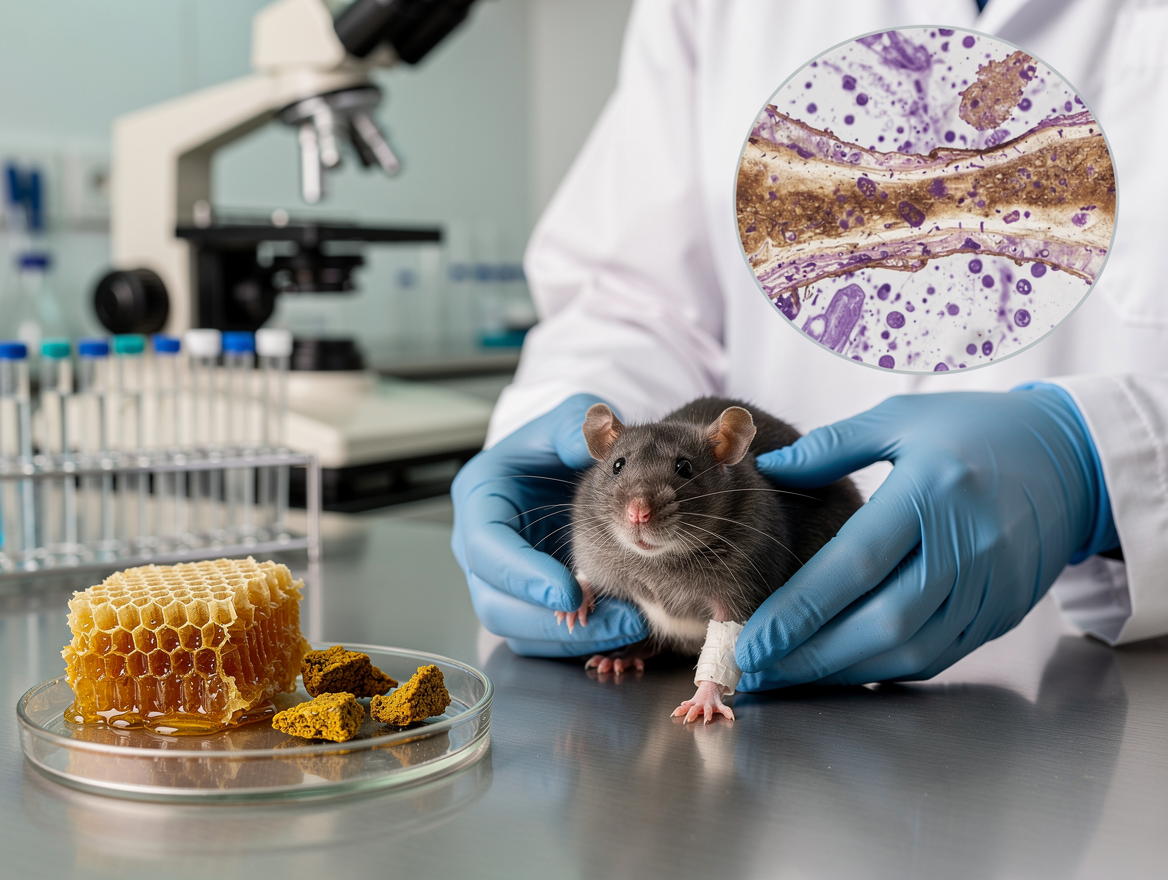
This fascinating research suggests propolis flavonoids may offer a promising complementary approach to treating chronic bone infections through sophisticated immune system modulation. The study’s findings indicate these natural compounds can significantly reduce bacterial burden while restoring the delicate balance between infection-fighting and inflammation-controlling immune cells. While this represents encouraging progress in understanding how natural products might support bone health, it’s crucial to remember that chronic osteomyelitis requires comprehensive medical care. Research suggests propolis could enhance conventional treatments, but it should never replace proper antibiotic therapy and medical supervision. If you’re dealing with persistent bone infections or want to explore propolis for general bone health support, work with your healthcare provider to determine if this approach makes sense for your specific situation.
Authors: Wang Y, Zhang C, He Z, Li L