
Natural Food Preservation: How Different Types of Propolis Could Keep Your Cheese Fresh Longer
You’ve probably thrown away moldy cheese more times than you’d like to admit. Despite careful storage, that expensive artisan cheese or everyday block of cheddar develops fuzzy spots, forcing you to toss what should have been several more meals into the trash.
Research suggests certain types of propolis extracts may serve as natural preservatives for ripened cheeses, with brown and red varieties showing particularly promising antimicrobial properties against common cheese spoilage organisms at concentrations of 5 mg/mL for alcohol extracts and 100-150 mg/mL for water-based extracts.
What the Research Discovered
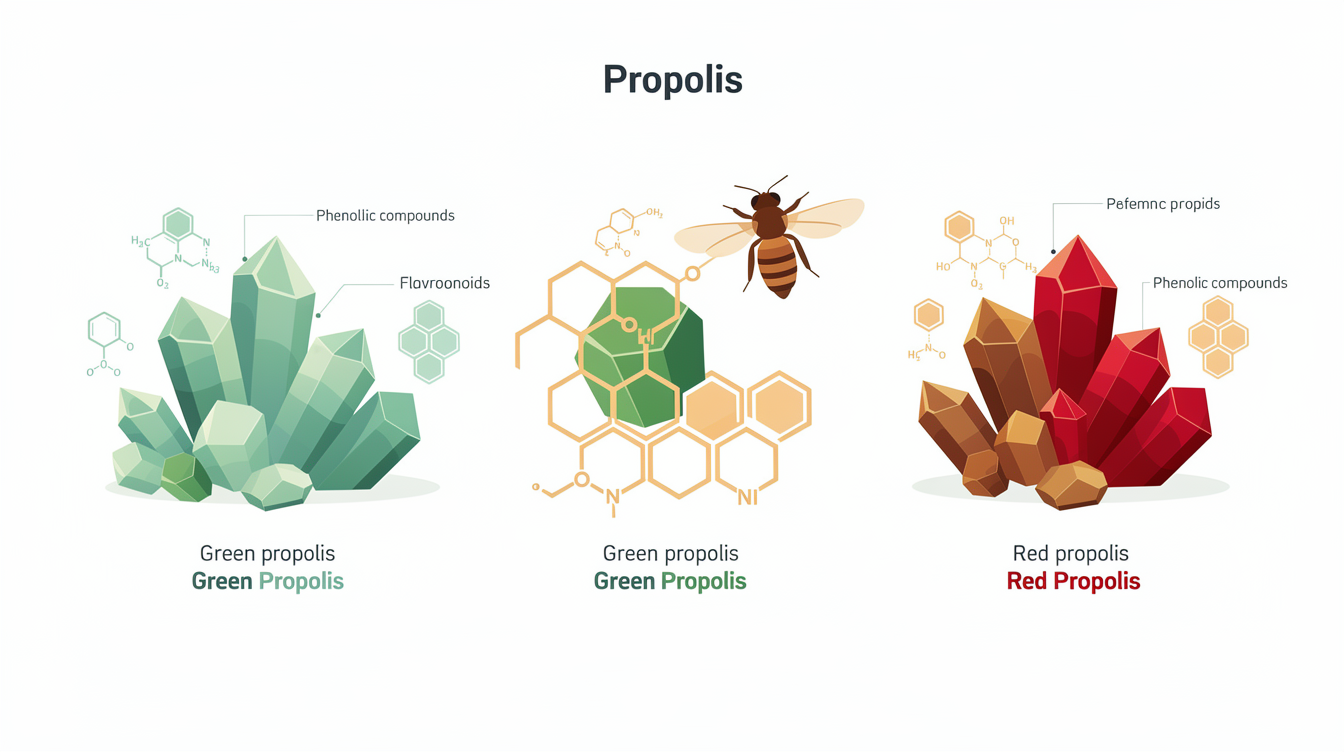
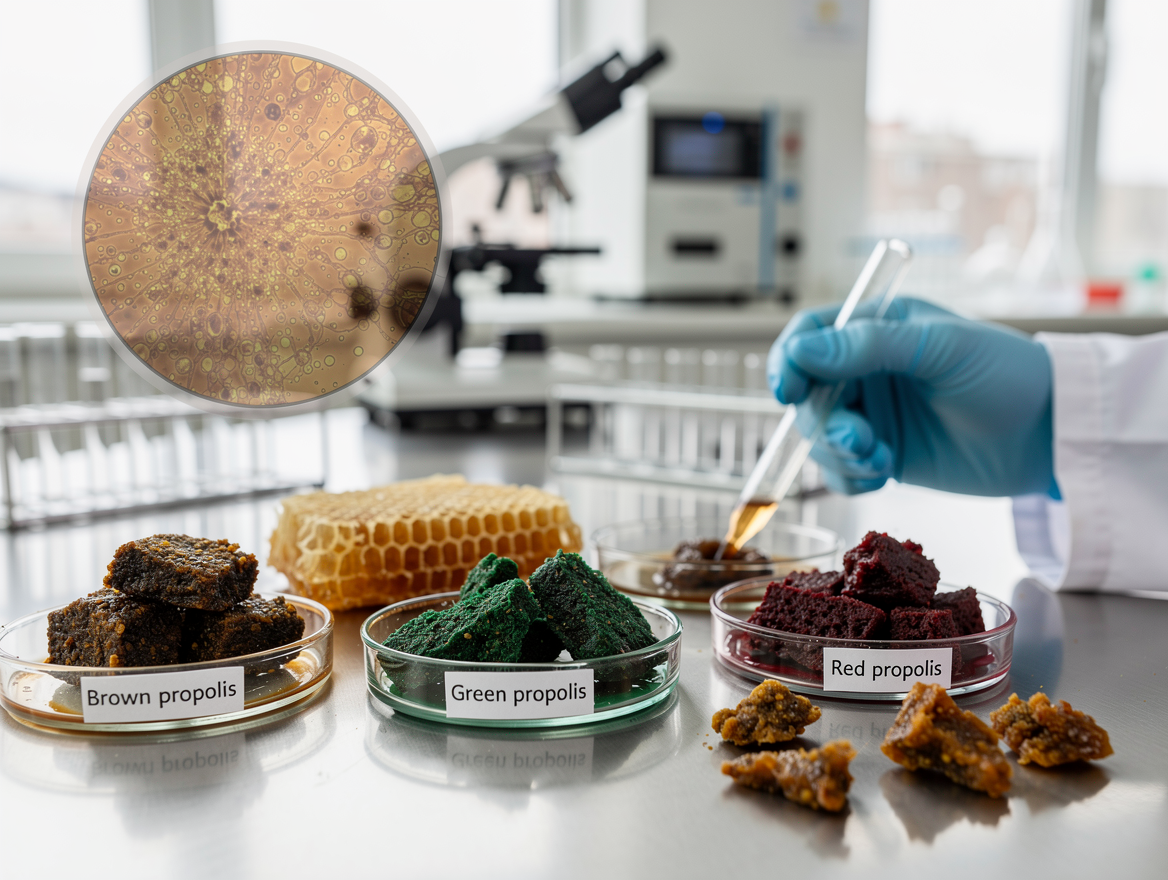
This comprehensive study examined three distinct types of propolis — brown (poplar-based), green, and red — to evaluate their potential as natural cheese preservatives. Researchers tested both alcohol-based and water-based extracts against seven different microorganisms that commonly spoil cheese or pose food safety risks.
The results revealed significant differences in antimicrobial effectiveness:
Brown propolis (BP) demonstrated the most consistent performance across both extract types. The alcohol extract showed strong activity against spoilage molds like Penicillium commune and P. verrucosum, while the water extract remained effective at higher concentrations.
Red propolis (RP) alcohol extracts matched brown propolis in effectiveness, particularly against the same spoilage organisms that cause those familiar fuzzy growths on cheese surfaces.
Green propolis (GP) showed more limited antimicrobial activity compared to its brown and red counterparts.
The study also tested these extracts against serious foodborne pathogens including Listeria monocytogenes, Staphylococcus aureus, and E. coli — bacteria that can cause severe food poisoning.
| Study Details | Information |
|---|---|
| Publication | Food Chemistry, 2026 |
| Research Type | Laboratory antimicrobial testing |
| Propolis Types | Brown (poplar), Green, Red |
| Extract Methods | Ethanol and aqueous (water-based) |
| Target Organisms | 7 spoilage molds and pathogenic bacteria |
| Effective Concentrations | 5 mg/mL (ethanol), 100-150 mg/mL (aqueous) |
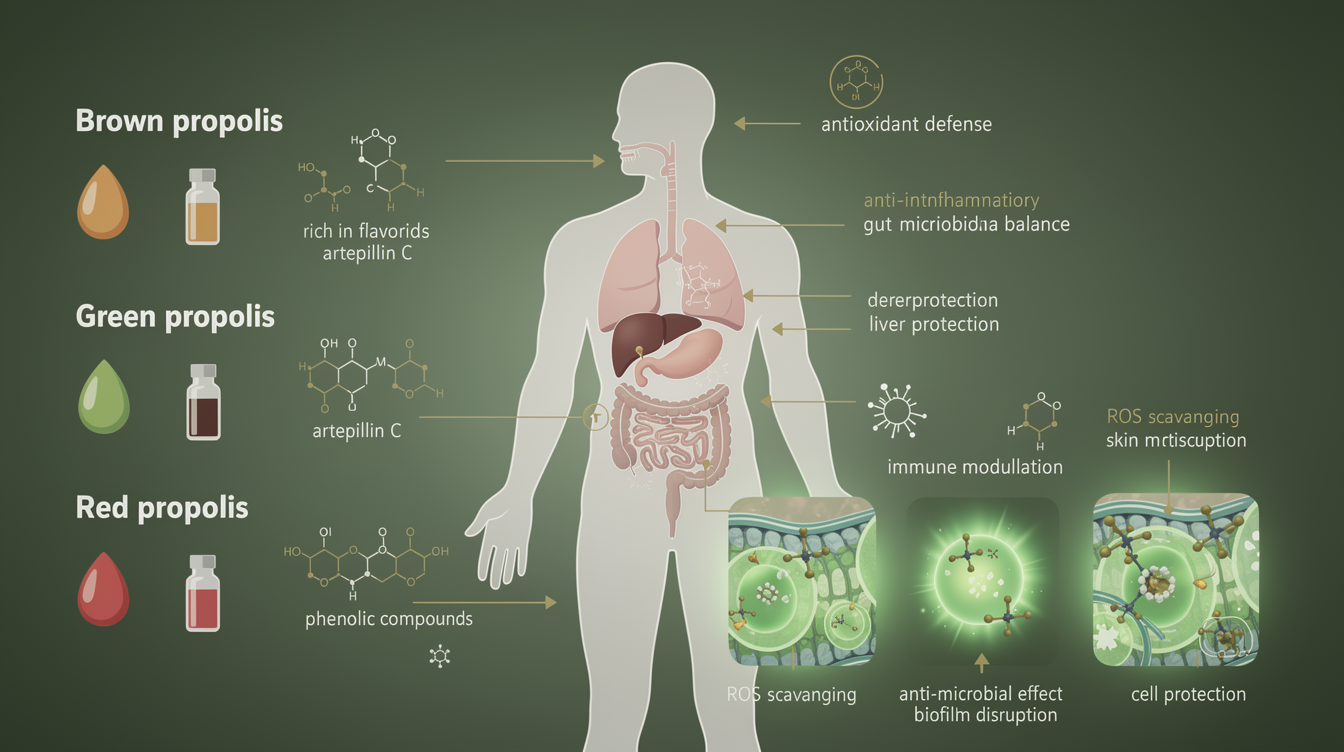
The researchers attributed these antimicrobial properties primarily to the polyphenols and flavonoids naturally present in propolis. Each type of propolis contained different characteristic phenolic compounds, which likely explains the variation in their effectiveness.
How This Applies to Your Daily Life
While this research focused on industrial food preservation applications, the findings offer several practical insights for home food safety and storage:
- Understanding natural preservation methods — This study adds to growing evidence that certain natural compounds may support food preservation. While you can’t directly apply research-grade propolis extracts at home, understanding these mechanisms helps explain why some traditional preservation methods have persisted across cultures.
- Recognizing cheese spoilage patterns — The specific molds tested in this study (Penicillium commune and P. verrucosum) are among the most common cheese spoilers. Knowing that some natural compounds may combat these organisms could inform future food preservation innovations that make it to consumer markets.
- Appreciating extraction method differences — The research showed that alcohol-based extracts worked at much lower concentrations (5 mg/mL) compared to water-based extracts (100-150 mg/mL). This highlights how processing methods significantly impact the effectiveness of natural compounds.
- Food safety awareness — The study’s inclusion of dangerous pathogens like Listeria and E. coli alongside spoilage organisms reminds us that food preservation isn’t just about extending shelf life — it’s about maintaining safety throughout the storage period.
What You Should Know Before Considering Propolis
Based on this research, here’s what emerged about propolis extract applications:
Research dosages: The study used concentrations of 5 mg/mL for ethanol extracts and 100-150 mg/mL for aqueous extracts. These are laboratory research concentrations not intended for direct consumer use.
Extract considerations: The research demonstrated that ethanol-based extracts generally showed superior antimicrobial activity compared to water-based versions, though both showed some effectiveness.
Safety parameters: This was a laboratory study testing propolis extracts on microorganisms in controlled conditions. The research doesn’t provide guidance for direct human consumption or home food preservation applications.
Individual variations: The study showed clear differences between propolis types — brown and red varieties outperformed green propolis in most antimicrobial tests.
Important limitations: People with bee product allergies should avoid propolis entirely. Additionally, this research examines industrial food preservation applications rather than dietary supplementation.
Frequently Asked Questions
Q: Can I use propolis to preserve cheese at home based on this research?
This study examined laboratory-grade propolis extracts under controlled conditions for potential industrial applications. The research doesn’t provide protocols for home food preservation. Current food safety guidelines recommend following established storage methods like proper refrigeration, appropriate packaging, and consuming cheese within recommended timeframes. While the research suggests promising antimicrobial properties, translating laboratory findings to home applications requires additional safety testing and regulatory approval.
Q: What makes brown and red propolis more effective than green propolis for antimicrobial activity?
The research indicates that different propolis types contain varying phenolic compounds and flavonoids, which appear to be responsible for antimicrobial effects. Brown propolis comes from poplar trees and contains specific polyphenols, while red propolis has different characteristic compounds. Green propolis, typically from tropical regions, showed different chemical profiles that may explain its reduced antimicrobial activity in this study. The researchers suggest that these chemical differences directly influence each type’s ability to inhibit microbial growth.
Q: How significant were the concentration differences between alcohol and water extracts?
The study revealed substantial concentration differences — alcohol extracts worked at 5 mg/mL while water extracts required 100-150 mg/mL to achieve similar effects. This 20-30 fold difference suggests that alcohol extraction captures antimicrobial compounds much more efficiently than water extraction. For potential industrial applications, this difference could significantly impact cost-effectiveness and product formulation. However, water-based extracts might offer advantages in certain food applications where alcohol residues aren’t desirable.
Q: Does this research suggest propolis could replace chemical preservatives in cheese?
While the research shows promising antimicrobial activity against specific spoilage organisms and pathogens, replacing established preservatives would require extensive additional testing. The study demonstrates potential but doesn’t address factors like sensory impact, regulatory approval, cost-effectiveness, or long-term stability in actual cheese products. Some evidence suggests natural antimicrobials might complement rather than completely replace existing preservation methods. Future research would need to evaluate propolis extracts in real cheese products under various storage conditions.
Q: What are the broader implications of this research for natural food preservation?
This study contributes to growing research into natural antimicrobial compounds for food preservation. The findings suggest that certain bee products may support efforts to reduce synthetic preservatives in food production. However, natural doesn’t automatically mean safer or more effective. The research indicates that natural preservation systems might work best as part of comprehensive food safety approaches including proper handling, storage, and processing. Studies like this help identify promising compounds that warrant further investigation for potential food industry applications.
The Bottom Line
This research suggests that brown and red propolis extracts may offer promising natural antimicrobial properties against common cheese spoilage organisms and foodborne pathogens. The study indicates that alcohol-based extracts work at significantly lower concentrations than water-based versions, with brown propolis showing the most consistent activity across different extraction methods. While these findings contribute valuable information about natural preservation compounds, translating laboratory research into practical applications requires additional safety testing and regulatory evaluation. Some evidence suggests that natural antimicrobial compounds like those found in propolis might eventually support more comprehensive food preservation strategies, though they’re unlikely to completely replace established methods without extensive further research.
Authors: Osés SM, Cuervo L, Hernández C, Berretta AA, López-Díaz TM, Fernández-Muiño MA, Sancho MT