
If you’re pregnant and dealing with diabetes, you’re facing a double challenge that affects not just your health, but your baby’s development too. Gestational diabetes affects up to 10% of pregnancies in the US, creating a cascade of complications that can impact placental health and fetal growth.
Propolis May Support Placental Health in Diabetic Pregnancies
Research suggests that ethanolic propolis extract may help protect placental structure and reduce cellular damage in diabetic pregnancies. A 2026 study using diabetic pregnant rats found that propolis supplementation appeared to ameliorate placental malformations, reduce inflammatory markers, and support healthier pregnancy outcomes compared to untreated diabetic controls.
What the Research Discovered
Scientists from the University of Jijel in Algeria investigated how propolis might protect against placental damage in diabetic pregnancies. Using pregnant rats with streptozotocin-induced diabetes (a common research model for gestational diabetes), they made several important observations.
The diabetic rats showed all the hallmarks of severe gestational diabetes: pronounced hyperglycemia, reduced weight gain during pregnancy, problematic cholesterol levels, kidney dysfunction, and blood changes consistent with anemia and inflammation. Most concerning was what happened to their placentas.
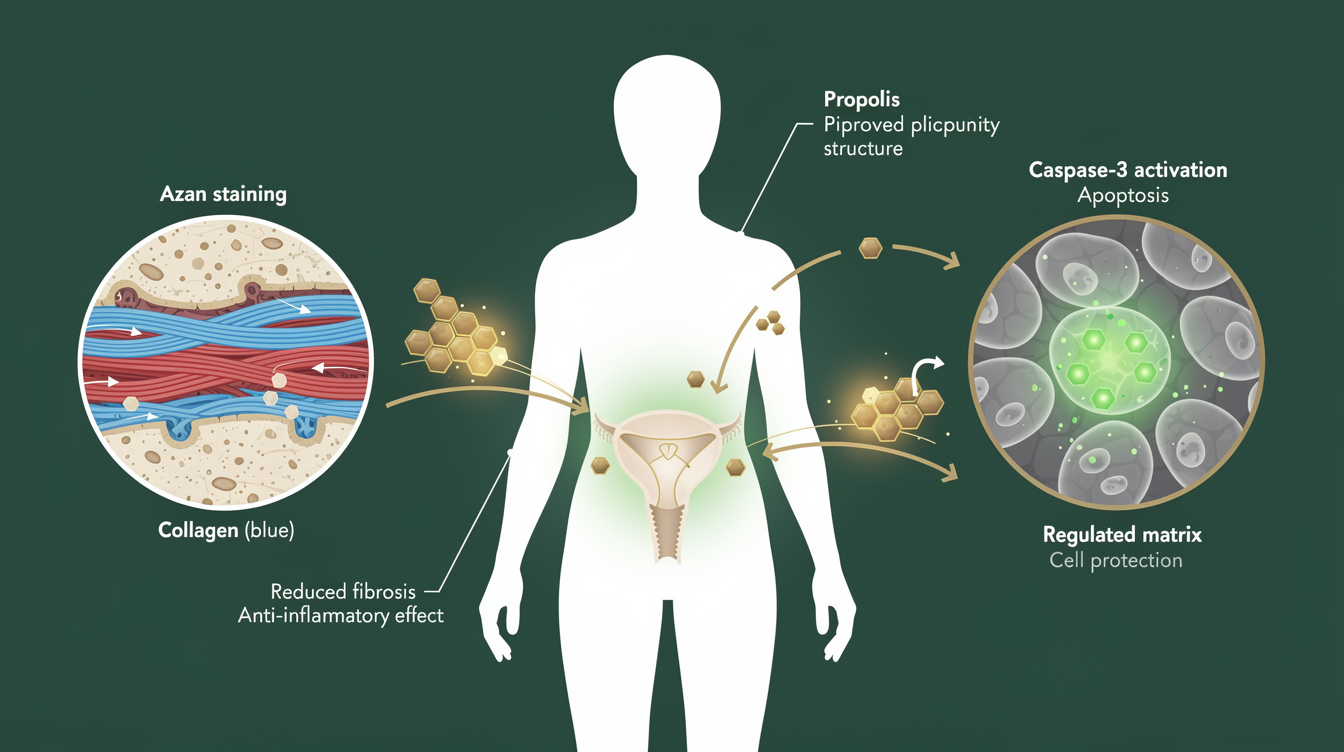
Under microscopic examination, the placental tissue from diabetic mothers revealed serious structural problems. The researchers observed disorganization of normal placental architecture, degeneration of trophoblast cells (crucial for nutrient exchange), and the development of fibrosis with focal blood vessel issues. Using specialized staining techniques, they could see increased cell death (apoptosis) marked by elevated caspase-3 activity — essentially, placental cells were dying at abnormally high rates.
However, when diabetic pregnant rats received ethanolic propolis extract, the picture looked dramatically different. The propolis-treated group showed better preservation of placental structure, reduced cellular death, and improvements in many of the metabolic and blood parameters that had been disrupted by diabetes.
| Study Details | |
|---|---|
| Publication | Journal of Molecular Histology, 2026 |
| Sample Size | Pregnant rats (4 groups) |
| Duration | Throughout gestation period |
| Primary Outcome | Placental histopathology and caspase-3 activity |
| Treatment | Ethanolic propolis extract |
| Model | Streptozotocin-induced gestational diabetes |
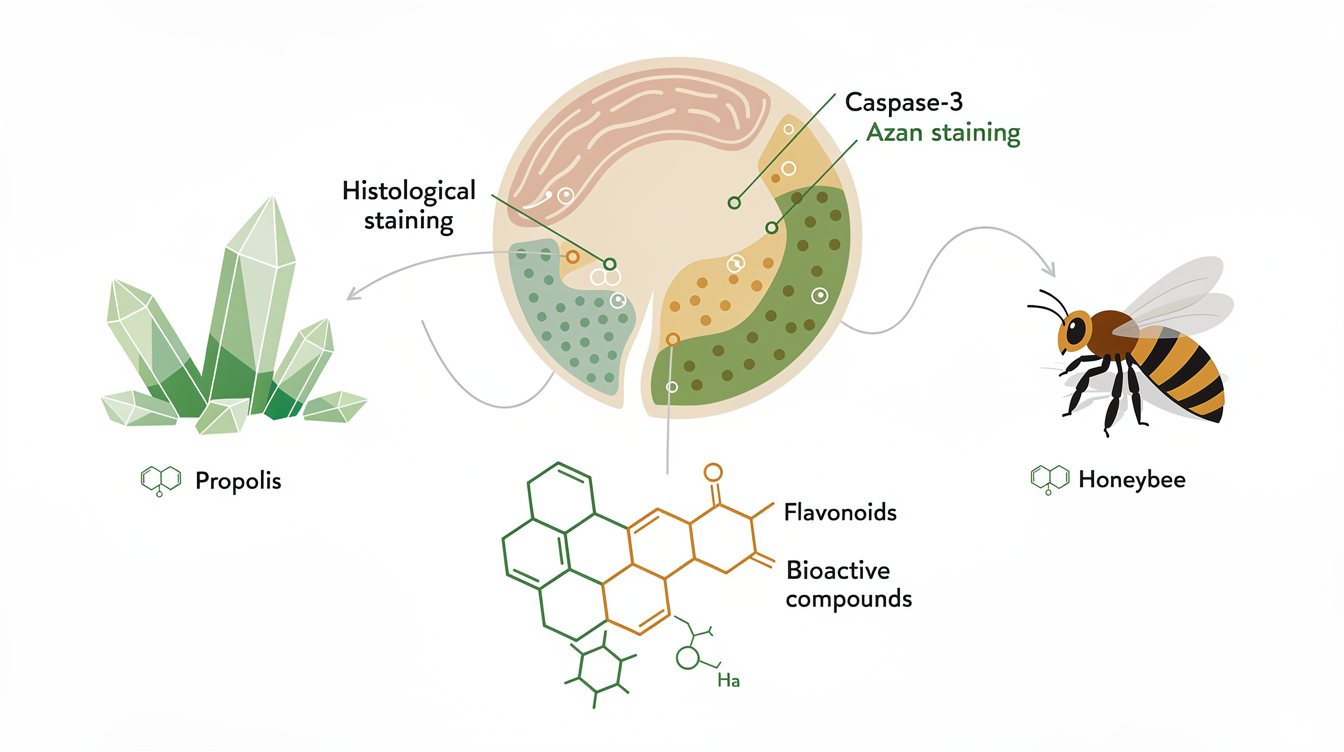
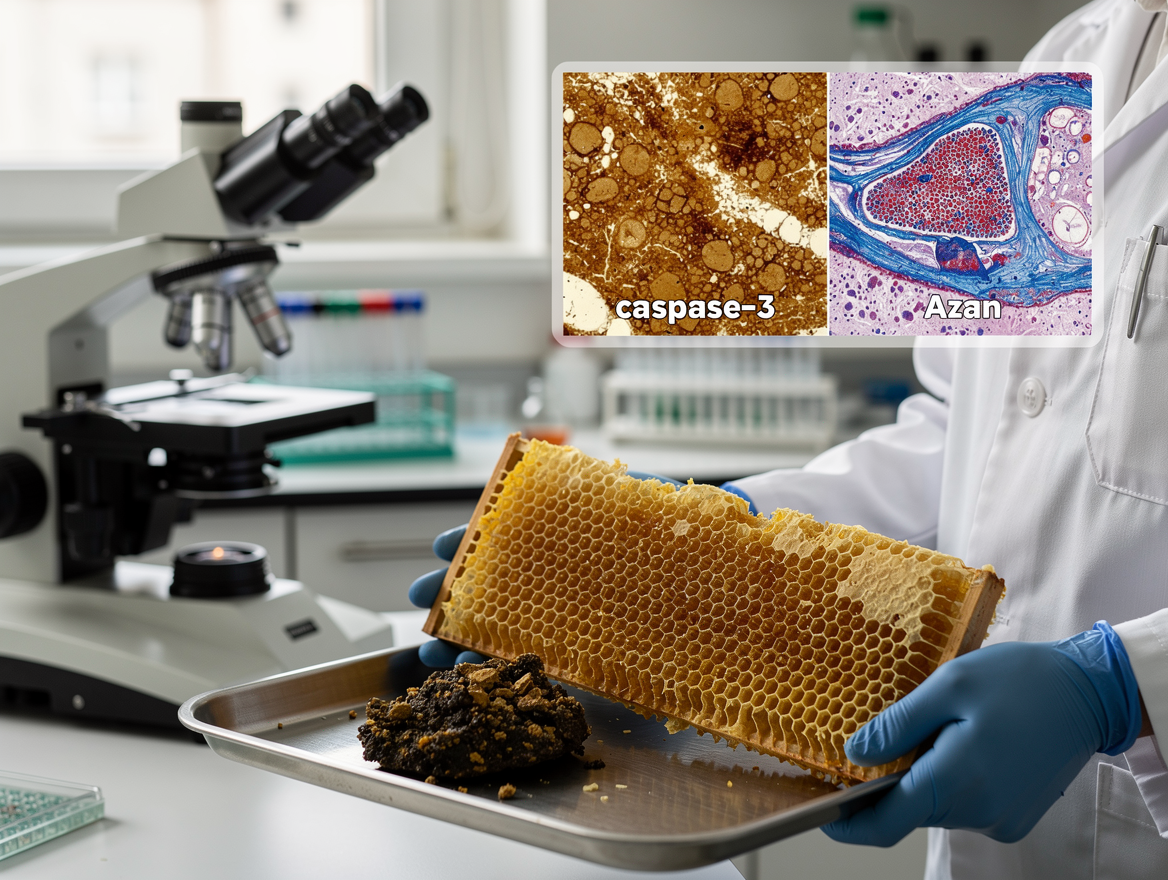
The researchers used advanced staining methods including caspase-3 immunostaining to detect programmed cell death and Azan staining to evaluate tissue structure and fibrosis. These techniques provided detailed insights into how diabetes damages placental tissue and how propolis might offer protection.
How This Applies to Your Daily Life
While this research was conducted in laboratory animals, the findings offer important insights for understanding pregnancy complications and potential natural support options.
1. Understanding Your Risk Factors
If you have gestational diabetes or are at risk for developing it, this research highlights why proper management is crucial. The study showed that uncontrolled diabetes during pregnancy doesn’t just affect blood sugar — it can cause structural damage to the placenta, the organ that nourishes your growing baby. Risk factors for gestational diabetes include being overweight, having a family history of diabetes, being over 25, or having had gestational diabetes in previous pregnancies.
2. The Importance of Comprehensive Care
The study revealed that diabetes affects multiple body systems during pregnancy, including blood formation, kidney function, and inflammatory responses. This underscores why healthcare providers monitor so many different parameters during diabetic pregnancies, not just blood glucose levels. Regular prenatal visits, blood tests, and ultrasounds become even more critical when diabetes is present.
3. Natural Support May Have a Role
While conventional diabetes management remains essential, this research suggests that certain natural compounds like propolis might offer additional support. The antioxidant and anti-inflammatory properties of propolis appeared to help protect placental tissue from diabetes-related damage. However, any natural supplements should only be considered as complementary to, not replacement for, standard medical care.
4. Early Intervention Matters
The protective effects observed in this study occurred when propolis was given alongside the diabetes-inducing treatment, suggesting that early intervention might be key. This translates to the importance of managing blood sugar levels from the moment gestational diabetes is diagnosed — waiting to see if it “gets better on its own” could mean missing crucial opportunities to protect both maternal and fetal health.
What You Should Know Before Taking Propolis
The research used ethanolic propolis extract at a specific dosage administered to pregnant rats throughout their gestation period. However, translating animal study dosages to human recommendations requires careful consideration and medical supervision.
Dosage and Safety Considerations
The study doesn’t specify exact human-equivalent dosing, which is typical for animal research. Propolis products vary significantly in concentration and composition depending on their source and processing methods. Some commercially available propolis extracts contain 10-30% propolis concentration, while others may be much higher.
Who Should NOT Use Propolis
Several groups should avoid propolis supplementation:
- Individuals with known bee product allergies (propolis can cause severe allergic reactions)
- People taking blood-thinning medications (propolis may enhance anticoagulant effects)
- Those with asthma triggered by bee products
- Individuals with severe liver disease
- Anyone without explicit approval from their healthcare provider during pregnancy
Important Safety Notes
Pregnancy is not the time for self-experimentation with supplements. While this research is promising, it represents early-stage investigation in animal models. The complexity of human pregnancy, individual genetic variations, and potential drug interactions mean that any consideration of propolis supplementation must involve your healthcare team.
Additionally, propolis quality varies dramatically between products and manufacturers. Some contain additives, alcohol, or other compounds that may not be safe during pregnancy. The ethanolic extract used in this study was specifically prepared and tested for the research — commercial products may differ significantly.
Frequently Asked Questions
Q: Can propolis cure gestational diabetes?
A: No supplement, including propolis, can cure gestational diabetes. This study suggests propolis may support placental health in diabetic pregnancies, but it doesn’t address the underlying blood sugar control issues that define diabetes. Standard medical treatment including diet modification, blood glucose monitoring, and possibly insulin remains essential. Think of propolis research as investigating potential supportive care, not primary treatment.
Q: How does diabetes damage the placenta during pregnancy?
A: High blood sugar levels create a cascade of problems in placental tissue. The research showed that diabetes leads to increased oxidative stress, inflammation, and programmed cell death in placental cells. This can disrupt the placenta’s ability to efficiently transfer nutrients and oxygen to the developing baby. The structural changes observed included tissue disorganization, cell degeneration, and the development of scar-like fibrosis that can impair placental function.
Q: Is propolis safe to take during pregnancy?
A: The safety of propolis during human pregnancy hasn’t been definitively established through clinical trials. While this animal study suggests potential benefits, it doesn’t provide comprehensive safety data for pregnant women. Propolis can cause allergic reactions in sensitive individuals, and its effects on human fetal development haven’t been thoroughly studied. Any consideration of propolis supplementation during pregnancy must involve consultation with healthcare providers who can evaluate individual circumstances.
Q: What makes this propolis research different from previous studies?
A: This study specifically examined placental tissue changes using advanced microscopic techniques that can detect cellular death and structural damage. Previous propolis research often focused on blood sugar levels or general pregnancy outcomes. By using caspase-3 staining to identify dying cells and Azan staining to evaluate tissue structure, researchers could see exactly how diabetes damages placental tissue and how propolis might provide protection at the cellular level.
Q: How long does it take to see benefits from propolis supplementation?
A: In this animal study, propolis was administered throughout the entire gestation period, suggesting that consistent, long-term use might be necessary to see protective effects. However, the timeline for potential benefits in humans remains unknown. The study design doesn’t indicate whether shorter-term use would be effective, or if there’s a minimum duration needed for placental protection. This underscores why more human research is needed before making specific recommendations.
The Bottom Line
This groundbreaking research suggests that propolis may offer protective benefits for placental health during diabetic pregnancies, potentially reducing cellular damage and supporting better pregnancy outcomes. The study revealed how gestational diabetes causes serious structural damage to placental tissue and showed that ethanolic propolis extract appeared to ameliorate these harmful changes in laboratory animals.
However, this remains early-stage research conducted in animal models. While promising, these findings don’t yet translate to specific recommendations for human pregnancy care. Gestational diabetes requires comprehensive medical management, and no natural supplement should be considered a substitute for proven treatments like dietary modification, blood glucose monitoring, and medical supervision.
If you’re pregnant and dealing with diabetes, focus on working closely with your healthcare team to optimize blood sugar control through established methods. While future research may clarify propolis’s role in supporting pregnancy health, your immediate priority should be following evidence-based medical care that’s proven to protect both you and your developing baby.
Authors: Boullouf C, Bouhafs L, Derai EH, Ouled-Haddar H, Brun C, Moudilou EN